








Author: Bhaavna Arora

When Pakistan first embraced the China–Pakistan Economic Corridor (CPEC), it was sold as a “game changer” — a project that would lift the country out of debt and place it at the center of Asian trade.
Two decades later, that promise stands broken. The Chinese have pulled back, flagship projects are stalled, and Pakistan — once the poster child of Beijing’s Belt and Road Initiative — is now courting Washington for survival.
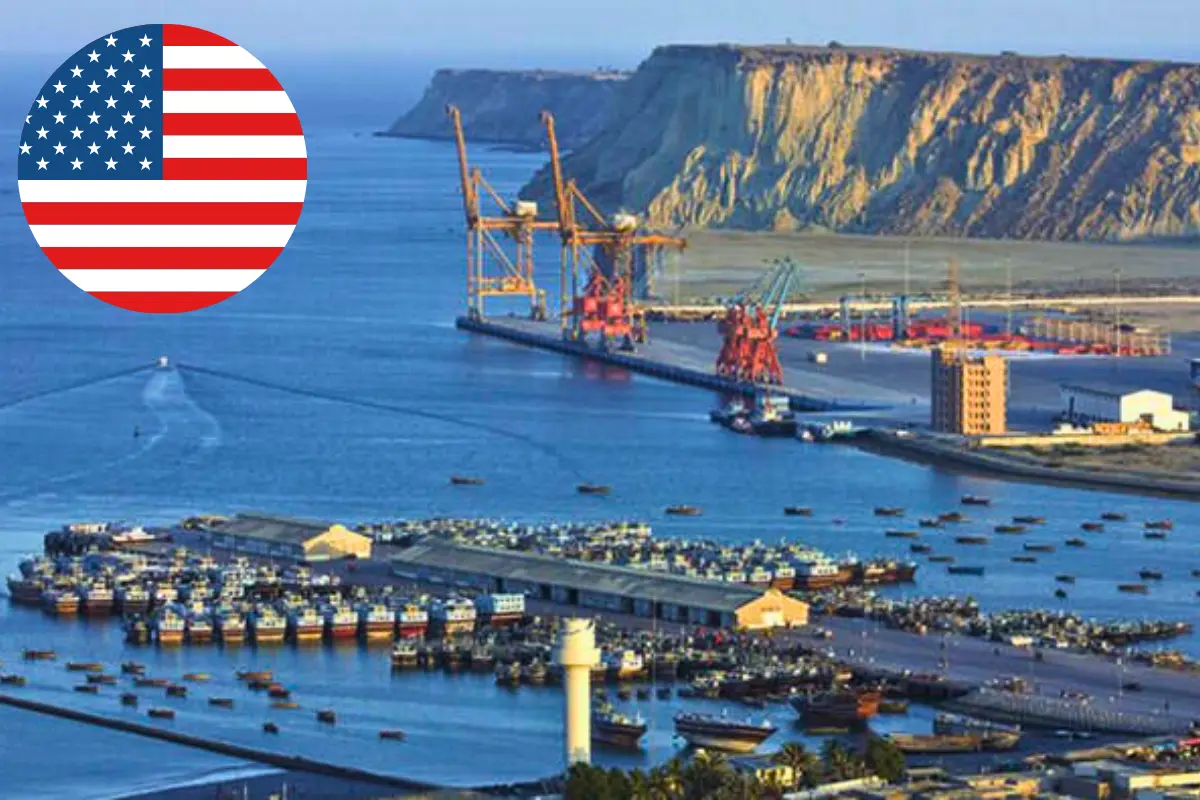
The proposed U.S.-operated port at Pasni, on the Arabian Sea, marks a dramatic shift in Islamabad’s foreign dependence. Once a client of Beijing, Pakistan now risks becoming a junior partner to Washington, trading one form of dependency for another.
CPEC to Pasni: From “All-Weather Friends” to Foreign Custodianship
CPEC’s early years were filled with hope — promises of highways, power plants, and industrial corridors that would revolutionize Pakistan’s economy.
Yet as costs ballooned and returns dwindled, Chinese investment began to dry up. Beijing has since backed out of several key ventures, including the ML-1 railway project, forcing Islamabad to scramble for new financiers.
ALSO READ: Pakistan’s Atrocities in Balochistan: The Forgotten Genocide That Demands UN Action
Enter the U.S.
With Chinese capital retreating, Pakistan has turned to Washington to fill the void.
The proposal to establish a U.S.-operated port at Pasni is emblematic of this pivot. Strategically located just 70 kilometers east of Gwadar — China’s flagship port — Pasni offers the U.S. a foothold on the Arabian Sea, effectively transforming Pakistan into a battleground of influence rather than a sovereign actor.
The Economic Freefall: When Global Giants Pack Up
Global corporations rarely abandon entire national markets unless the fundamentals have completely collapsed. In Pakistan, they are doing so at an alarming pace — and the exodus is historic.
Procter & Gamble, which entered Pakistan in 1991 and became a household name through brands like Ariel, Pampers, and Head & Shoulders, has announced it will wind down direct operations after over three decades. Instead, it will rely on third-party distributors — a corporate euphemism for a graceful exit.
Gillette Pakistan, one of P&G’s earliest and most profitable ventures in South Asia, is delisting from the Pakistan Stock Exchange, ending a 40-year presence in the market. For a brand that survived energy crises, political upheavals, and even sanctions-era volatility, this move signals a fundamental loss of faith in the economy.
Shell Pakistan, a name synonymous with the country’s fuel network since 1947, has sold its entire downstream business to local investors, citing chronic policy inconsistency and currency risks. Its exit closes a historic chapter — the company was among the first international corporations to invest in Pakistan after independence.
Careem, the ride-hailing startup once celebrated as Pakistan’s “tech unicorn,” has suspended operations after ten years, calling the business climate “non-viable.” Its parent company, Uber, had already exited Pakistan in 2022.
Pharmaceutical giants Pfizer, Merck, Johnson & Johnson, and Sanofi — who for decades ensured access to life-saving drugs — have either scaled back production or pulled out altogether, citing government-imposed price caps, rupee depreciation, and delayed reimbursements from hospitals and state agencies.
ALSO READ: Book Launch: Nagrota Under Siege by Bhaavna Arora pays tribute to Indian soldiers’ bravery
These departures are not routine business recalibrations; they are strategic withdrawals. For decades, these corporations endured Pakistan’s cyclical instability — from military coups to IMF bailouts — betting that the market would rebound. Their collective exit now signals a collapse of confidence. They are not leaving because of short-term losses; they are leaving because they see no path to recovery.
Inflation, Inequality, and a Hollowed Middle Class
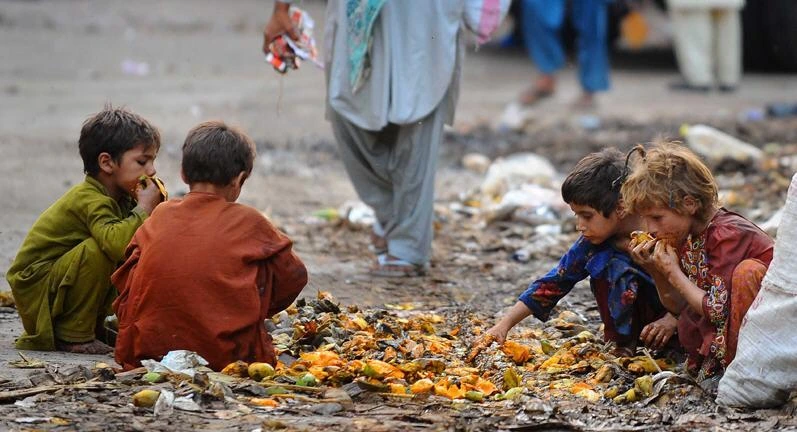
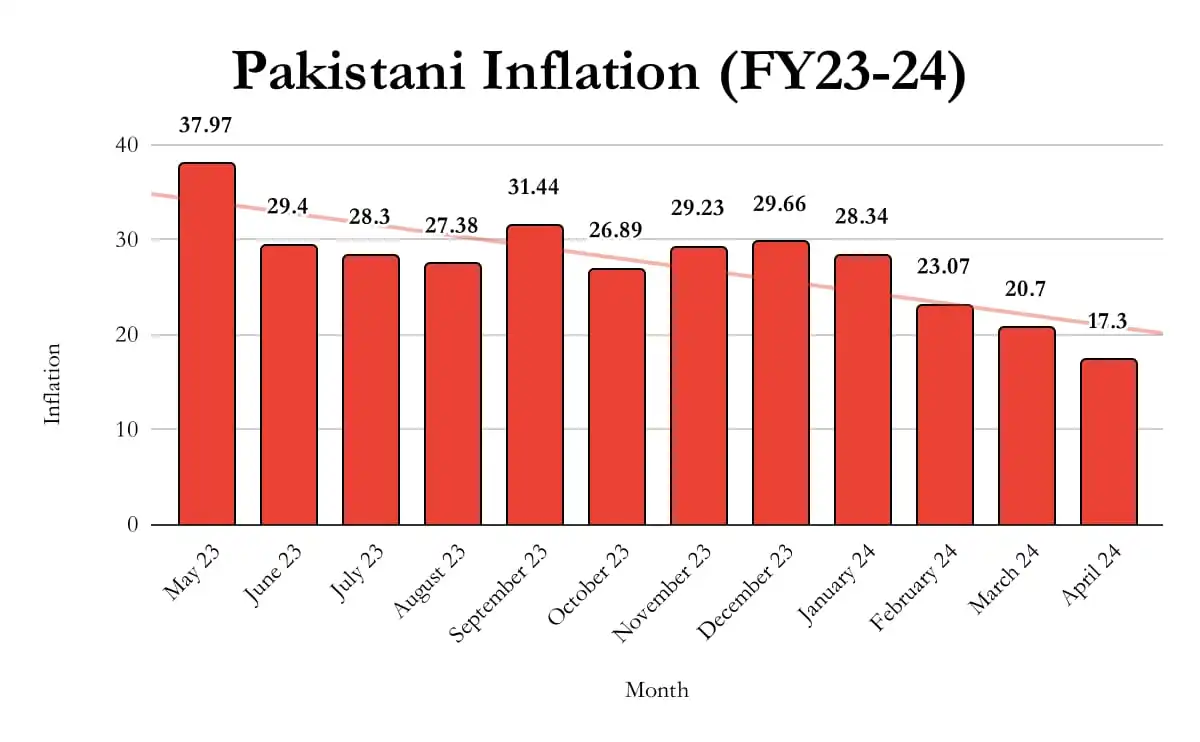
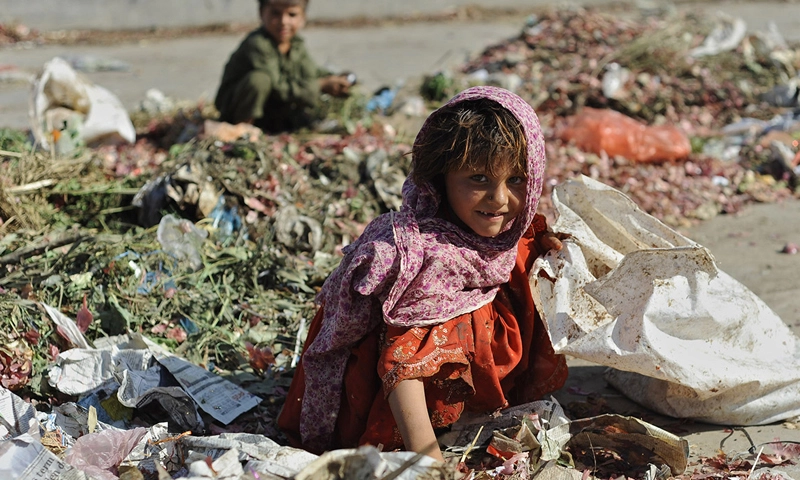
The economic fallout is visible in the daily lives of Pakistanis. Inflation remains above 25%, eroding disposable income and destroying middle-class savings. According to the World Bank, poverty has surged from 18% in 2021–22 to over 25% in 2023–24, with nearly 45% of Pakistan’s population living below the international poverty line.
The exodus is not just of capital but of people. Professionals, entrepreneurs, and millionaires are emigrating en masse. Meanwhile, the powerful military-business complex, insulated from these crises, continues to expand its economic footprint through conglomerates like the Fauji Foundation and Defence Housing Authority.
In short, the civilian economy is collapsing, but the military’s economy is thriving — a dual structure that deepens inequality and undermines democratic governance.
The Illusion of Revival: Pasni Port as a False Lifeline
Against this backdrop, Islamabad’s decision to court the U.S. for the Pasni Port appears less a strategy and more a survival instinct. The move is being framed as economic diversification, but in truth, it’s an act of strategic desperation.
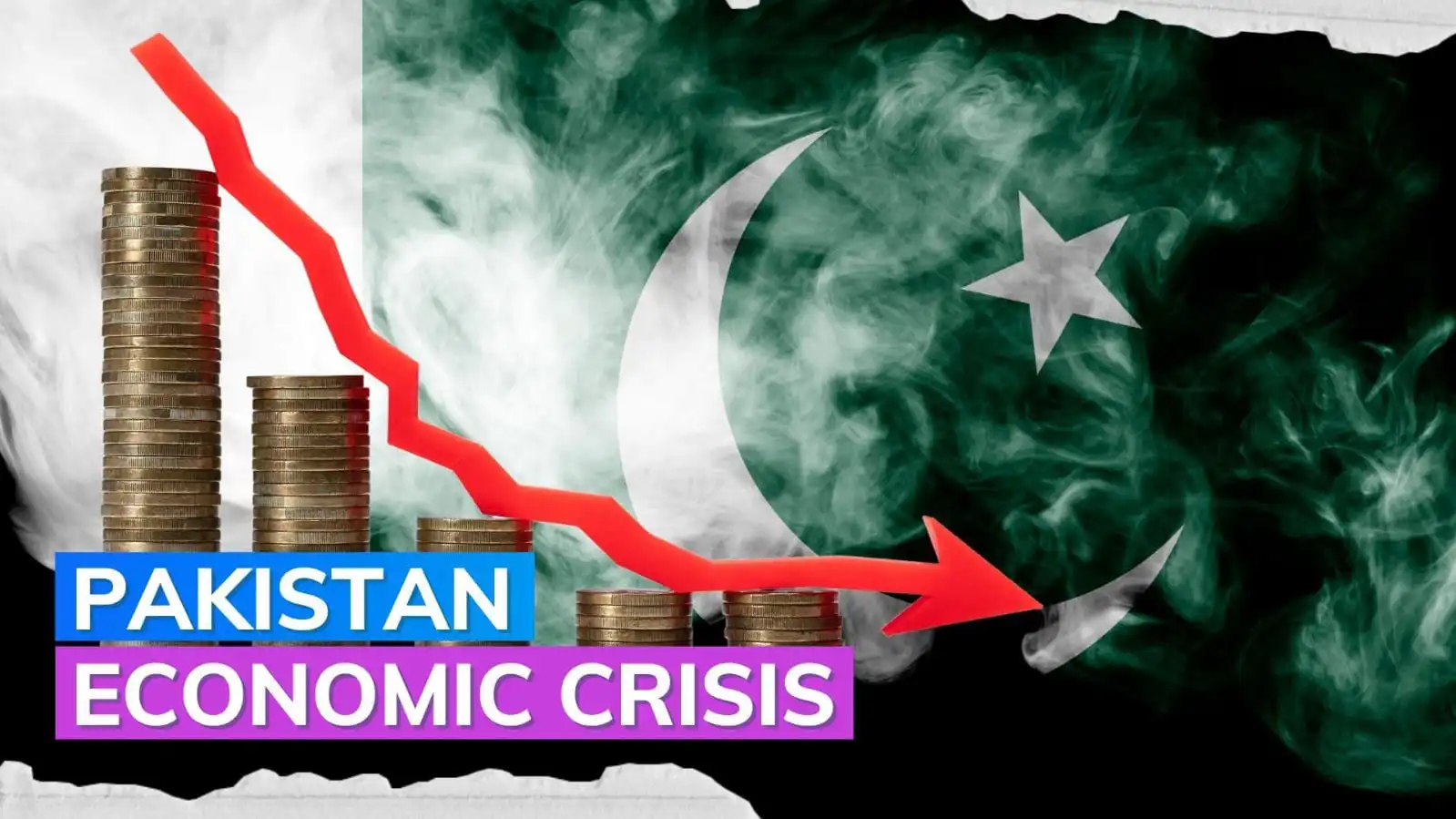
A single port, however modern or well-funded, cannot reverse systemic decay. Pakistan’s real crisis lies in structural dependence, fiscal indiscipline, and loss of investor trust. The Pasni project might bring temporary capital inflows or geopolitical visibility, but it won’t restore Pakistan’s industrial or financial credibility.
India’s Counter-Narrative: Stability, Scale, and Self-Reliance
Across the border, India represents a striking contrast — politically stable, economically vibrant, and increasingly central to global supply chains.
- India is now the world’s fifth-largest economy, projected to reach $5 trillion by 2028.
- It attracts record FDI inflows, even as investors exit Pakistan.
- Multinationals like Apple, Samsung, Toyota, and Unileverare expanding manufacturing in India, citing regulatory predictability and macroeconomic stability.
- Inflation remains contained, and India’s digital infrastructure (UPI, Aadhaar, ONDC) has revolutionized public access and financial inclusion.
While Pakistan clings to foreign patrons, India’s economic model is anchored in domestic capacity, institutional reform, and global trust.
The Strategic Optics: Two Nations, Two Futures
Pakistan’s pivot from Beijing to Washington underscores its chronic inability to sustain independent economic policy. By contrast, India has emerged as a strategic equal to both — maintaining balanced partnerships while preserving sovereignty.
- Where Pakistan seeks aid, India attracts investment.
- Where Pakistan leases ports, India builds them.
- Where Pakistan’s industries exit, India’s expand.
The symbolic distance between Gwadar and Pasni mirrors the growing strategic gulf between the two nations: one ceding control for survival, the other expanding influence through strength.
A Shrinking Economy vs. a Growing Giant
Pakistan’s GDP growth in FY25 stands at 2.68%, barely keeping pace with population growth. In contrast, India continues to grow above 6.5%, making it the fastest-growing major economy in the world.
While Pakistan’s exports stagnate and its currency devalues, India’s export diversification, domestic consumption, and infrastructure build-out underpin sustainable expansion.
The message from global investors is clear: Pakistan is a risk; India is the reward.
The Indian Imperative: Vigilance, Diplomacy, and Strategic Calm
India need not gloat over Pakistan’s decline. Instead, it should project the contrast with quiet confidence and strategic patience.
- Strengthen maritime partnerships and infrastructure to counter U.S. and Chinese presence near the Arabian Sea.
- Use Pakistan’s instability to reinforce India’s narrativeas a responsible regional power and reliable investment hub.
- Bolster development in Jammu & Kashmirand border regions to undercut Pakistan’s governance claims.
- Continue leveraging soft power and cultural diplomacyto shape global perception.
India’s success lies not in Pakistan’s weakness but in sustaining its own momentum — economic, diplomatic, and moral.
ALSO READ: Pakistan’s Human Rights Crisis at Home—And in Its Occupied Territories
Ports Can’t Save a Failing State
The Pasni Port deal may provide Pakistan with short-term liquidity or strategic optics, but it cannot conceal a deeper truth — that the country’s economic model has collapsed. With multinationals leaving, industries shutting down, and poverty soaring, Pakistan’s sovereignty is being pawned to survive.
India, on the other hand, stands at a historic inflection point — a nation that has transformed adversity into opportunity. The divergence between the two is no longer just economic; it is existential.

Pakistan is leasing out its coasts. India is shaping the ocean.