


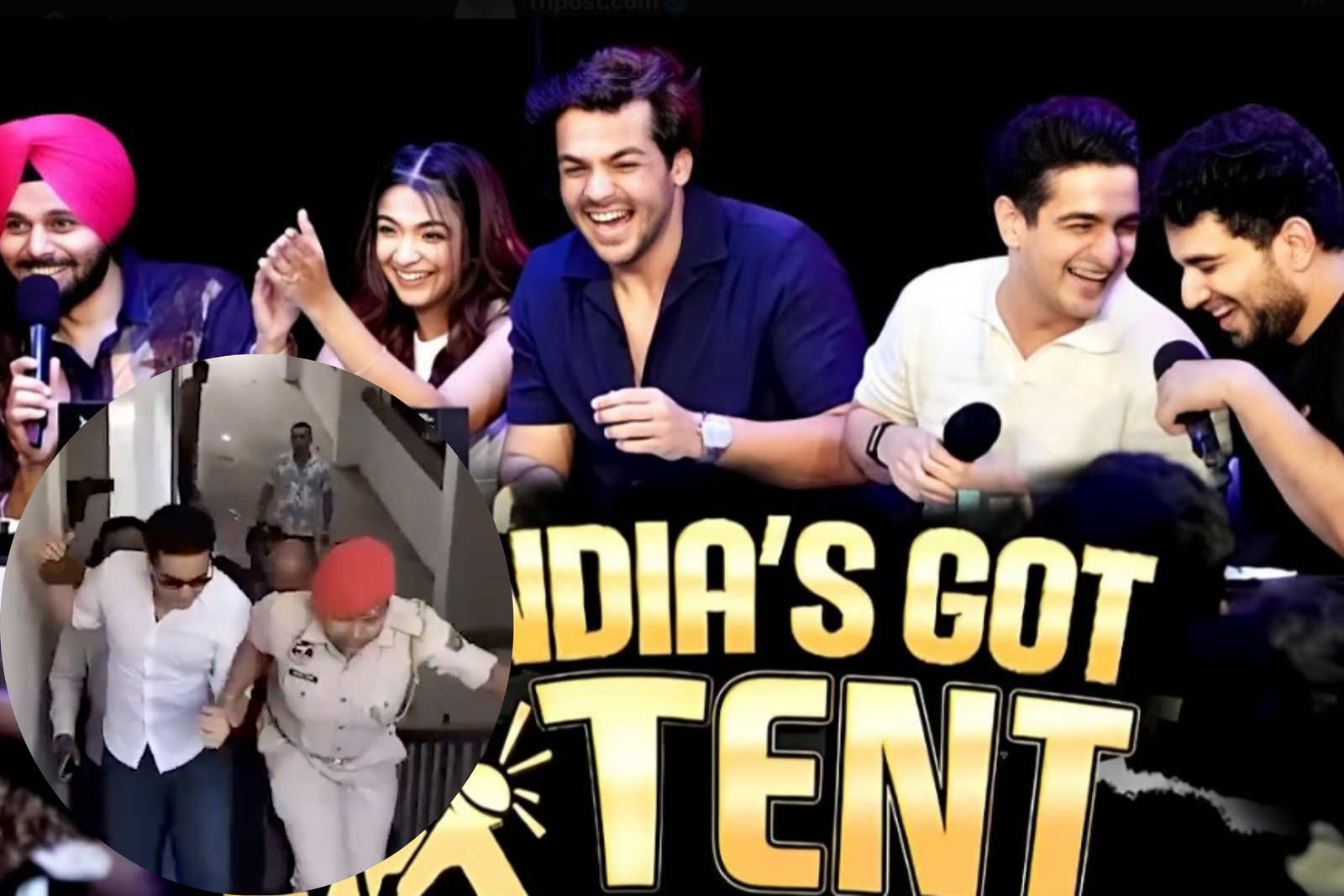






NEW DELHI: The controversy surrounding YouTubers Ranveer Allahbadia, popularly known as BeerBiceps, and Apoorva Mukhija has intensified as both appeared before the Guwahati Crime Branch and the National Commission for Women (NCW) following their controversial remarks on the show India’s Got Latent. The remarks, deemed derogatory and offensive, have sparked widespread outrage, leading to legal action and public criticism.

Ranveer Allahbadia appeared before the Guwahati Crime Branch on March 7, 2025, as part of an ongoing investigation into the case. The FIR, filed under multiple sections of the Indian Penal Code, the Information Technology Act, and the Indecent Representation of Women (Prohibition) Act, accuses Allahbadia and others of promoting obscenity through their participation in the show. The interrogation lasted several hours, during which Allahbadia provided his statement. Joint Commissioner Ankur Jain, who led the inquiry, emphasized the seriousness of the allegations.
ALSO READ: Anuj Chaudhary, Sambhal CO’s Holi-jumma remark sparks communal tensions
Earlier, on February 27, fellow YouTuber Ashish Chanchlani was also questioned by the Guwahati Crime Branch in connection with the same case. The legal proceedings have highlighted the growing scrutiny of online content and the responsibilities of digital creators.
On March 6, Allahbadia and Mukhija appeared before the NCW in Delhi, along with the show’s producers, Saurabh Bothra and Tushar Poojari. During the session, they issued written apologies for their remarks. Allahbadia assured the commission that he would “speak with respect toward women” and promised to be more mindful in the future. NCW Chairperson Vijaya Rahatkar condemned the remarks, stating that such language is “simply not acceptable” and emphasized the need for accountability in media.
ALSO READ: Release hostages or it’s over for you’: Trump’s ultimatum to Hamas
The controversy has ignited a broader debate about freedom of speech versus responsibility in media. While some argue for creative liberty, others stress the importance of ethical standards, especially when addressing sensitive topics. The Supreme Court has granted Allahbadia interim protection from arrest but criticized his remarks as “vulgar” and indicative of a “dirty mind.” The court also directed Allahbadia to ensure that his content adheres to standards of morality and decency.
The fallout from this incident serves as a reminder of the influence wielded by digital creators and the importance of using that platform responsibly. The case has also led to calls for stricter regulation of online content to prevent similar controversies in the future.
As the investigation continues, the incident underscores the challenges of balancing creative expression with social responsibility in the digital age.