








NEW DELHI: In a defining moment for global aviation, India hosted the 81st Annual General Meeting of the International Air Transport Association (IATA) in New Delhi—after a gap of 42 years. This marked a historic return of the world’s most influential aviation summit to Indian soil, signaling the country’s ascent as a key global player in the skies.

Against the backdrop of surging domestic air traffic, booming infrastructure, and a thriving economy, leaders from the world’s top airlines, regulators, and policymakers converged in the capital to recognize India’s rise as an aviation powerhouse.
From Prime Minister Narendra Modi to top industry executives, the tone was clear: India isn’t just participating in global aviation—it is now shaping it. With passenger numbers breaking records, regional connectivity expanding rapidly, and bold sustainability targets on the agenda, the 2025 AGM reflected India’s transformation from a growing market to a global aviation force.
Through dynamic visuals, The New Indian’s photojournalist Tejasvi Pandey captures the defining moments of this cultural revolution—raw, vibrant, and unfiltered.
This photo story showcases key moments, quotes, and insights from the event, presenting the vision, voices, and faces that are charting the course for the future of flight—with India at the center of it all.
Pieter Elbers, IndiGo CEO
“This is India’s time — We’re giving wings to the nation.”
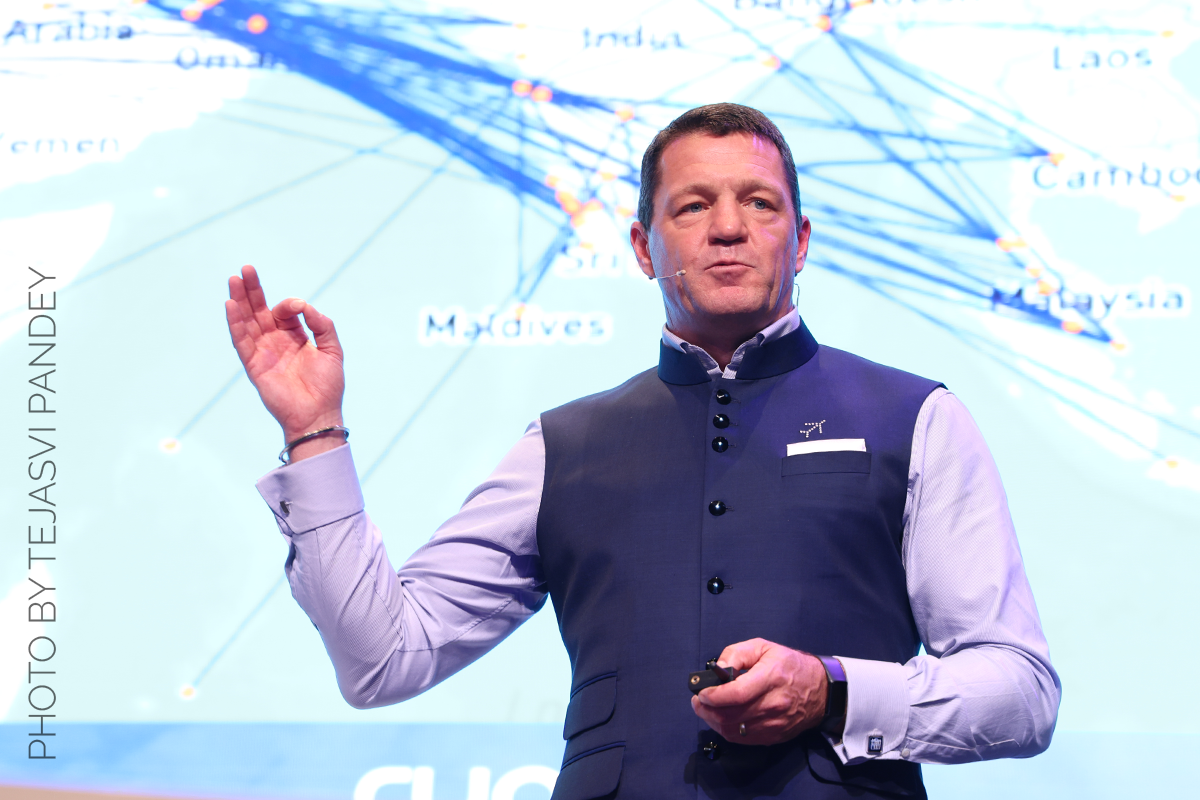
India’s aviation market is soaring with unprecedented momentum. At the IATA AGM in New Delhi, Elbers highlighted that IndiGo now serves 91 Indian cities—up from just 21 in 2015—and has grown international routes from 20 to 40. The airline flies 1 million passengers every 3 days and plans to procure 30 Airbus A350 aircraft, connecting Indians every 90 km. Elbers attributes this growth to India’s rising economy, expanding infrastructure, and increasing travel demand, including new routes like Adampur, Navi Mumbai, Hindon, and Jewar airports.
Amitabh Khosla, IATA Country Director
“India is now the 3rd largest aviation market globally, with tremendous potential to become a leading air cargo hub.”
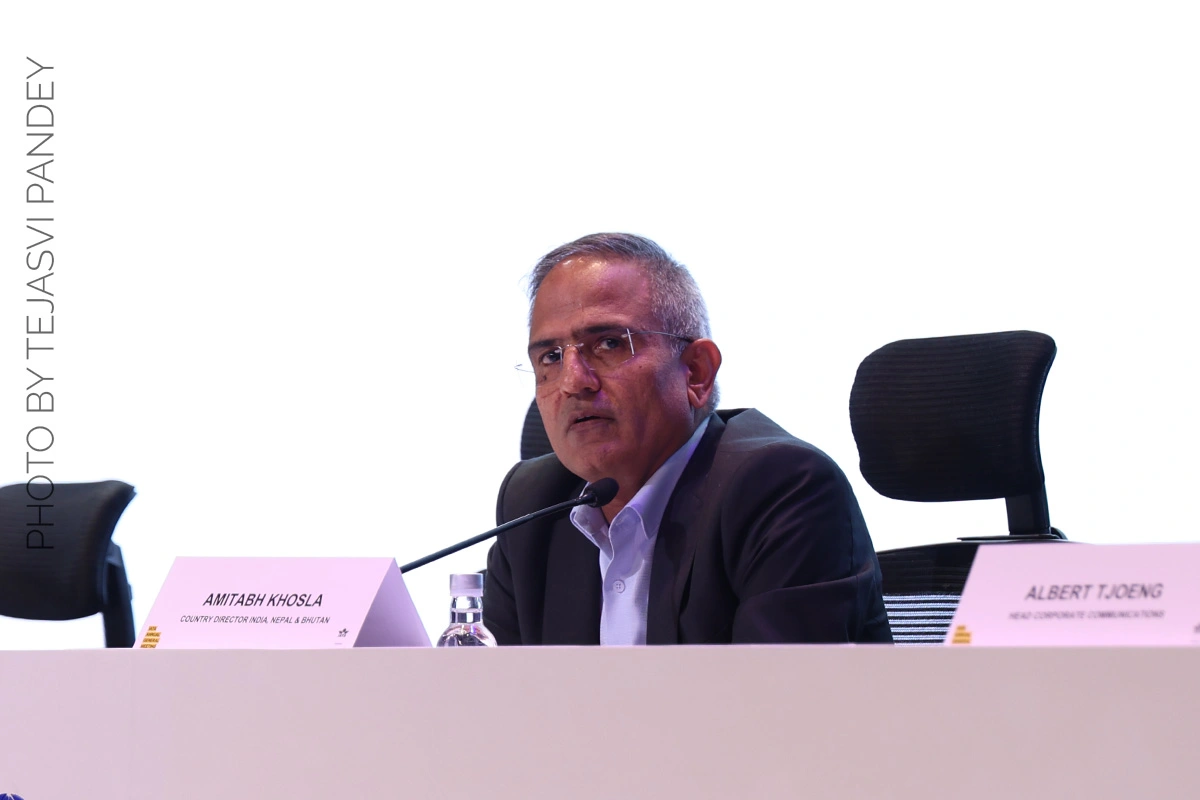
Khosla emphasized aviation’s role as a major economic engine—supporting 7.7 million jobs and contributing over $53 billion to India’s GDP. He described the future of Indian aviation as “truly exciting,” underlining its importance in tourism, trade, and economic growth nationwide.
Rafael Schvartzman, IATA Regional VP, Europe
“Uncompetitive policies that add costs to airlines make air travel more expensive — ultimately depressing Europe’s economic competitiveness and prosperity.”
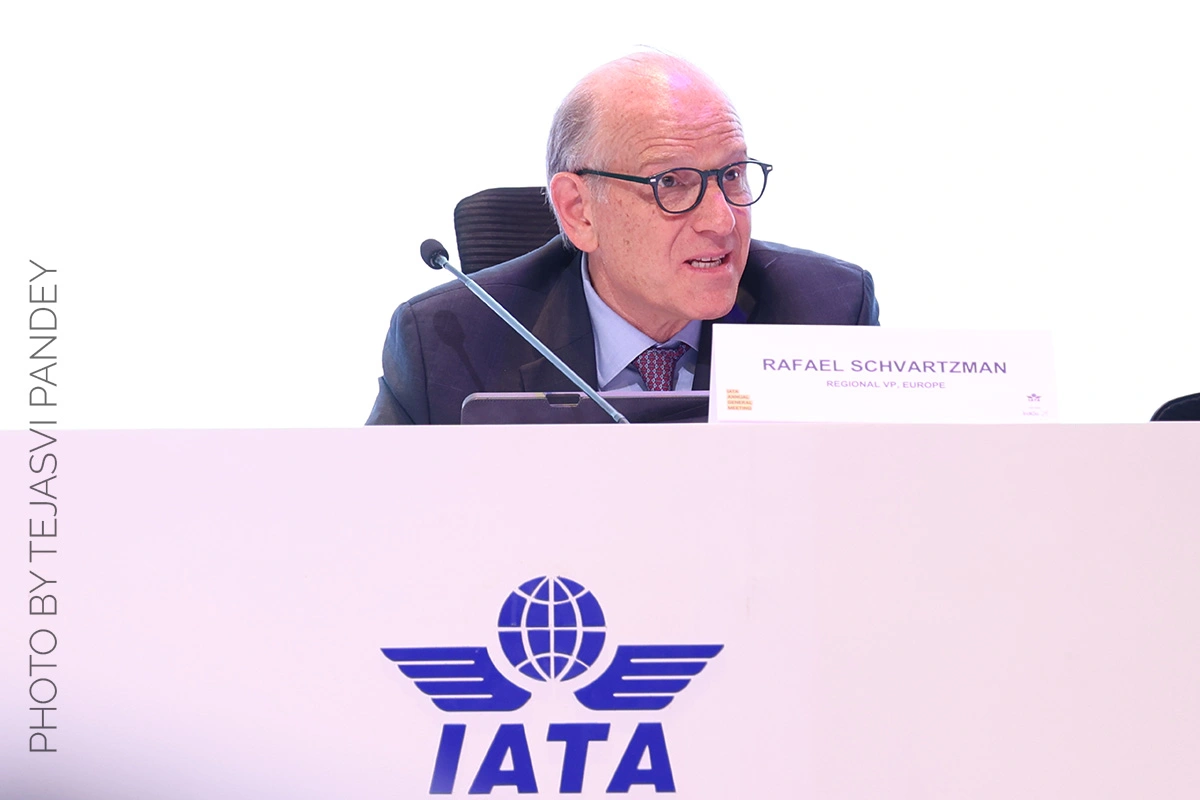
Schvartzman cautioned about the dangers of extra operational costs, noting that when airlines are forced to pass these costs to customers, it suppresses demand and can render some routes unviable—triggering a downward spiral that harms connectivity and economic health.
Preeti Jain, Head, Net Zero Research & Programs, IATA
“SAF output may reach 1 Mt in 2025 — just 0.7% of global jet fuel consumption.”
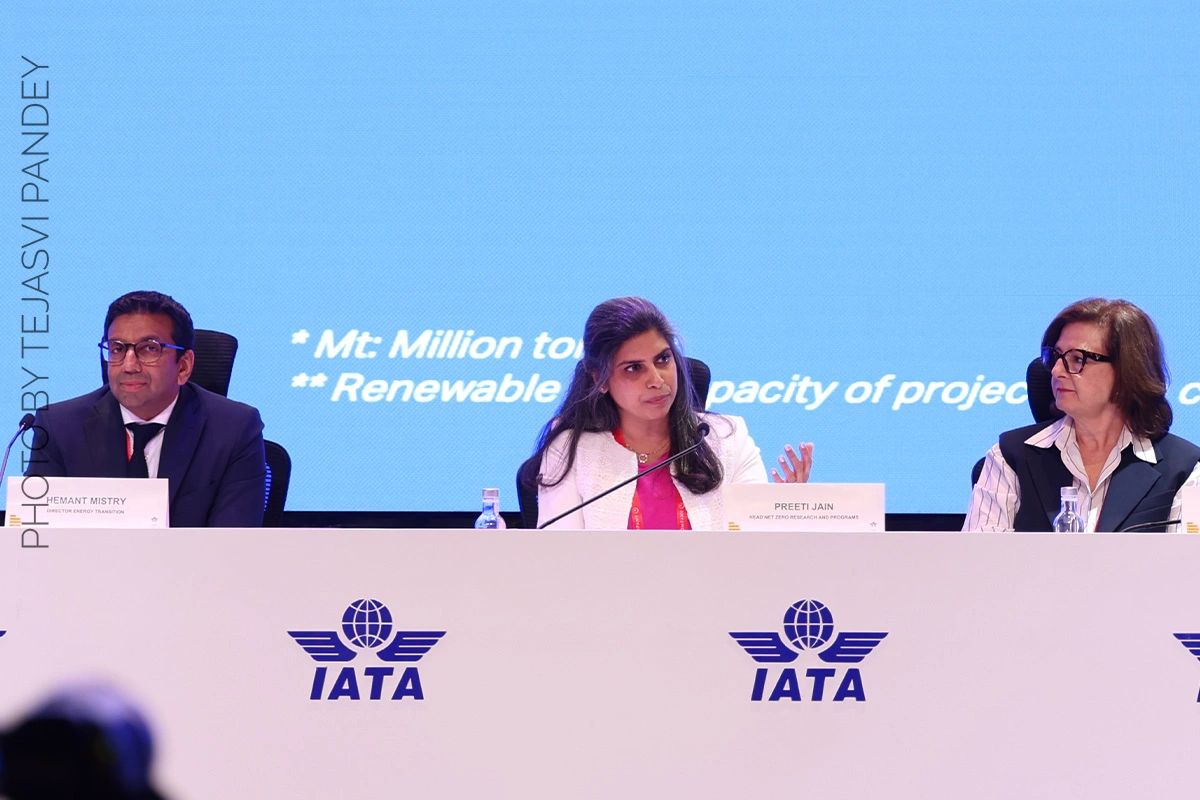
Jain spotlighted the slow pace of Sustainable Aviation Fuel (SAF) adoption worldwide, stating that despite expected growth, SAF still accounts for less than 1% of jet fuel use. She called for accelerated scale-up to meet climate targets, noting global capacity could hit 55 Mt by 2030, driven mainly by the Americas and Europe.
Claudia Zapata-Cardone, President, Latin Professionals in Aerospace
“Representation is not just visibility — it’s a responsibility.”
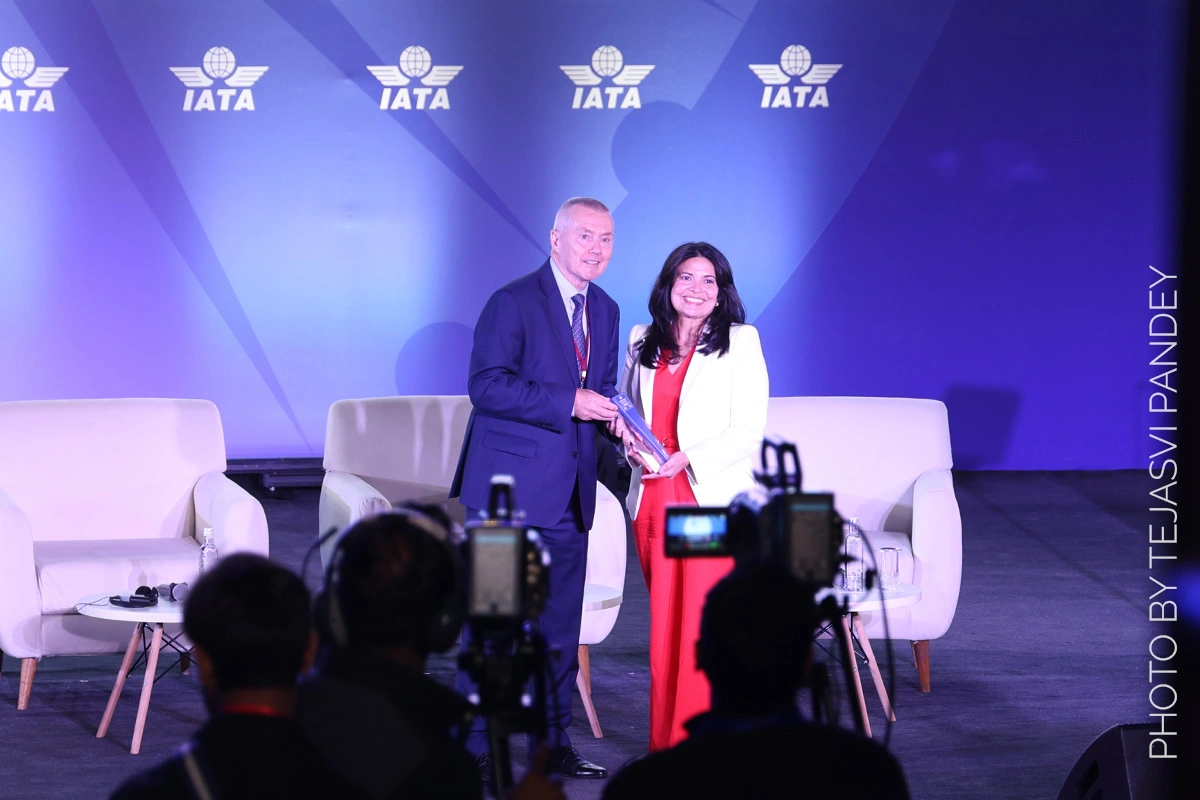
Awarded the Inspirational Role Model at the AGM, Zapata-Cardone emphasized that true leadership involves paving the runway for others to soar, highlighting the vital role of diversity and inclusion in aviation.
Air Canada Diversity & Inclusion Team
“We strive to reflect the diversity of our passengers — making everyone feel seen, heard, and valued.”
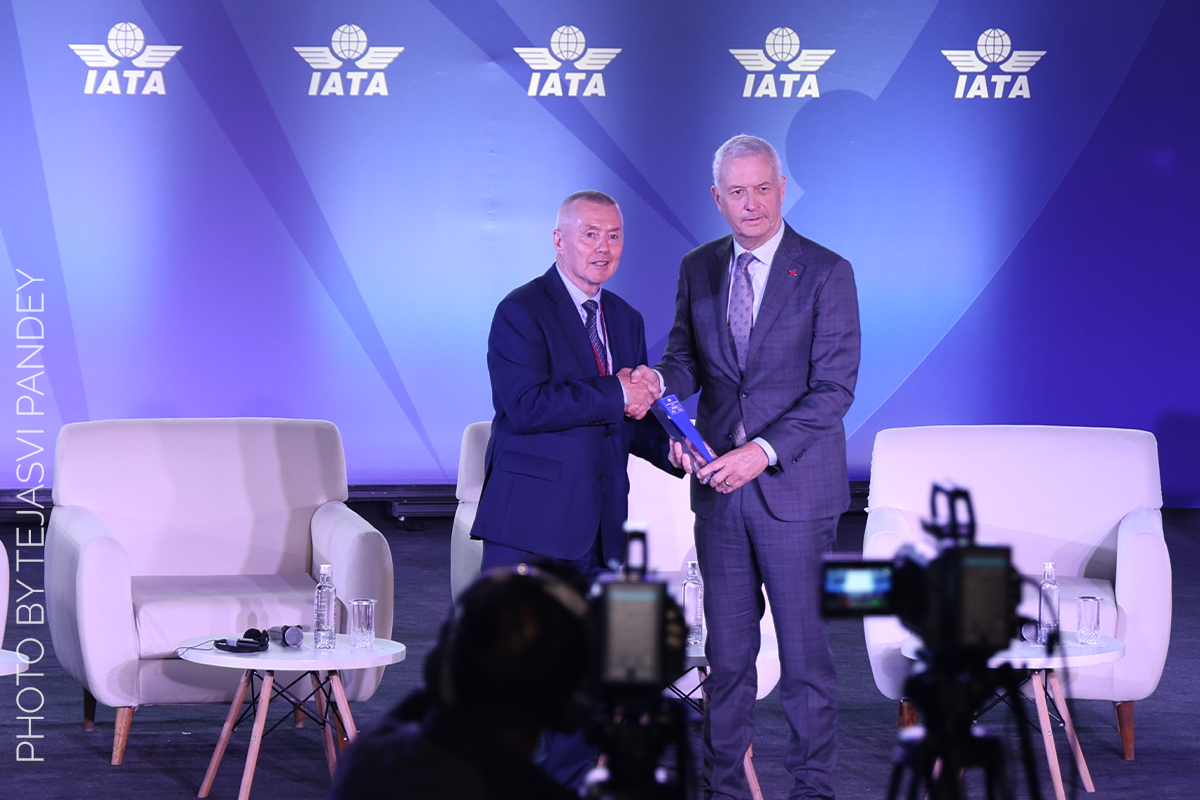
Accepting their award sponsored by Qatar Airways, Air Canada reiterated their commitment to inclusive representation and community outreach, mirroring the diverse needs of global travelers.
Amitabh Kant, G20 Sherpa
“India is a $4 trillion economy now. By 2047—100 years of independence—we aim to be a $30 trillion+ economy. Air connectivity will drive this transformation.”
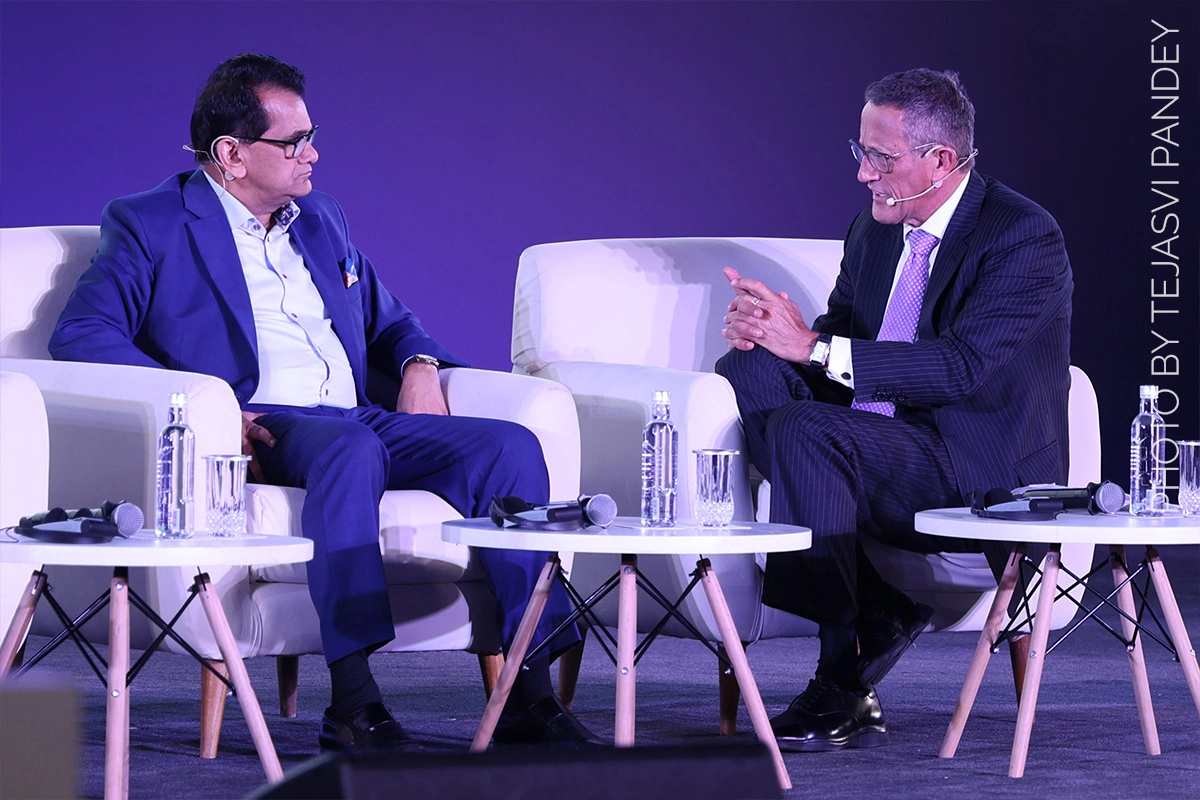
Kant projected India’s economic rise, fueled by a booming aviation sector that supports tourism growth, spurred by sports and entertainment industries. He emphasized India’s youthful average age of 28 as a demographic dividend powering sustained growth in connectivity.
Radhika Gupta, MD & CEO, Edelweiss AMC
“India is too diverse to apply a one-size-fits-all model in aviation.”
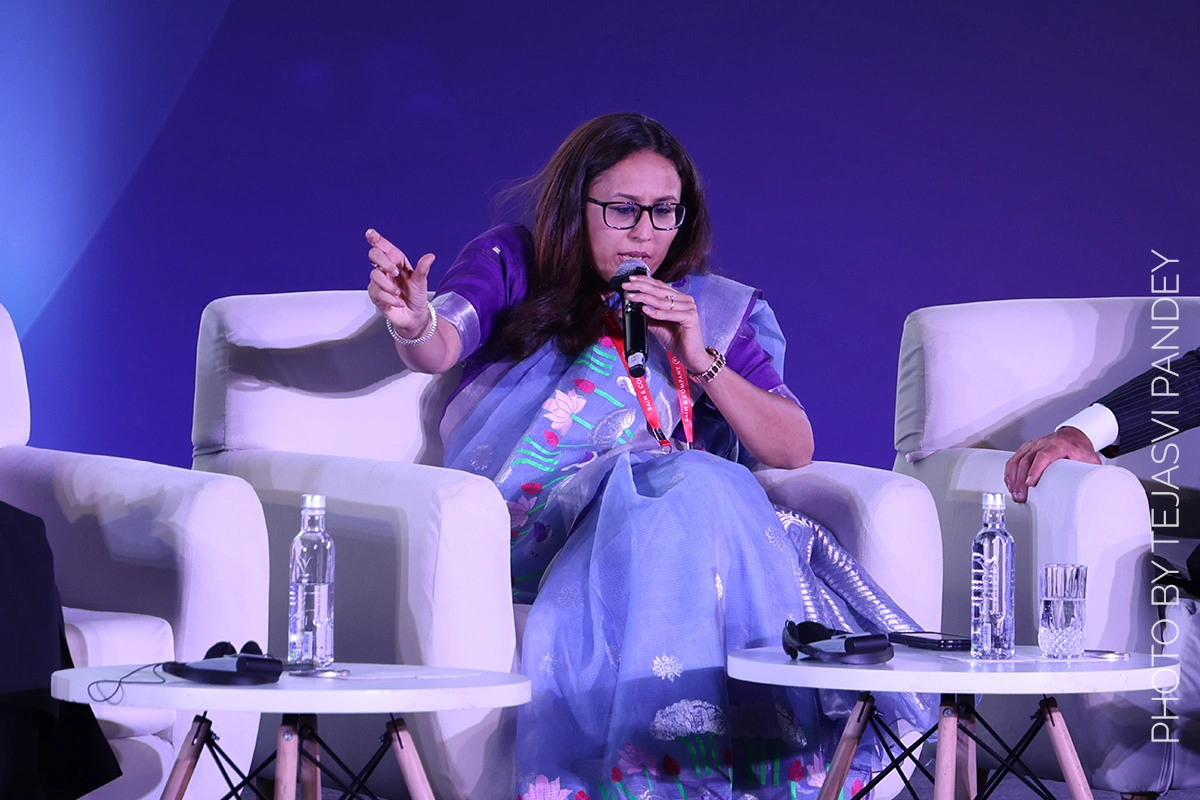
Gupta stressed the need for differentiated aviation solutions across regions and tiers, advocating for improved efficiency and empathy at airports to serve everyone—from first-time fliers to executives. She underlined the importance of developing smaller city airports beyond Mumbai and Delhi hubs.
Pieter Elbers, IndiGo CEO (On Turkish Airlines suspension)
“We respect the Indian government decision and will find a replacement solution.”
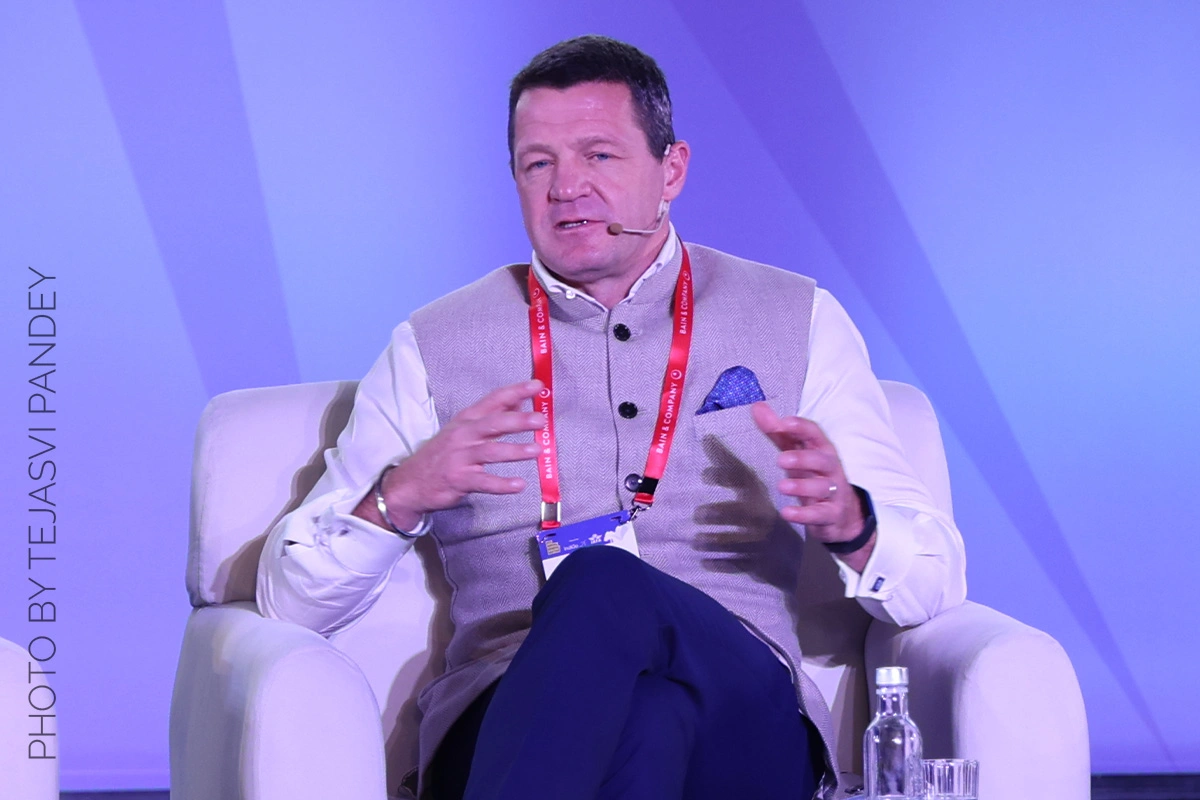
In response to the Indian government’s suspension of Turkish Airlines, Elbers affirmed IndiGo’s respect for the decision and assured efforts to replace the two Boeing 777-300 aircraft and crews involved, maintaining smooth operations.
A Summit. A Statement.
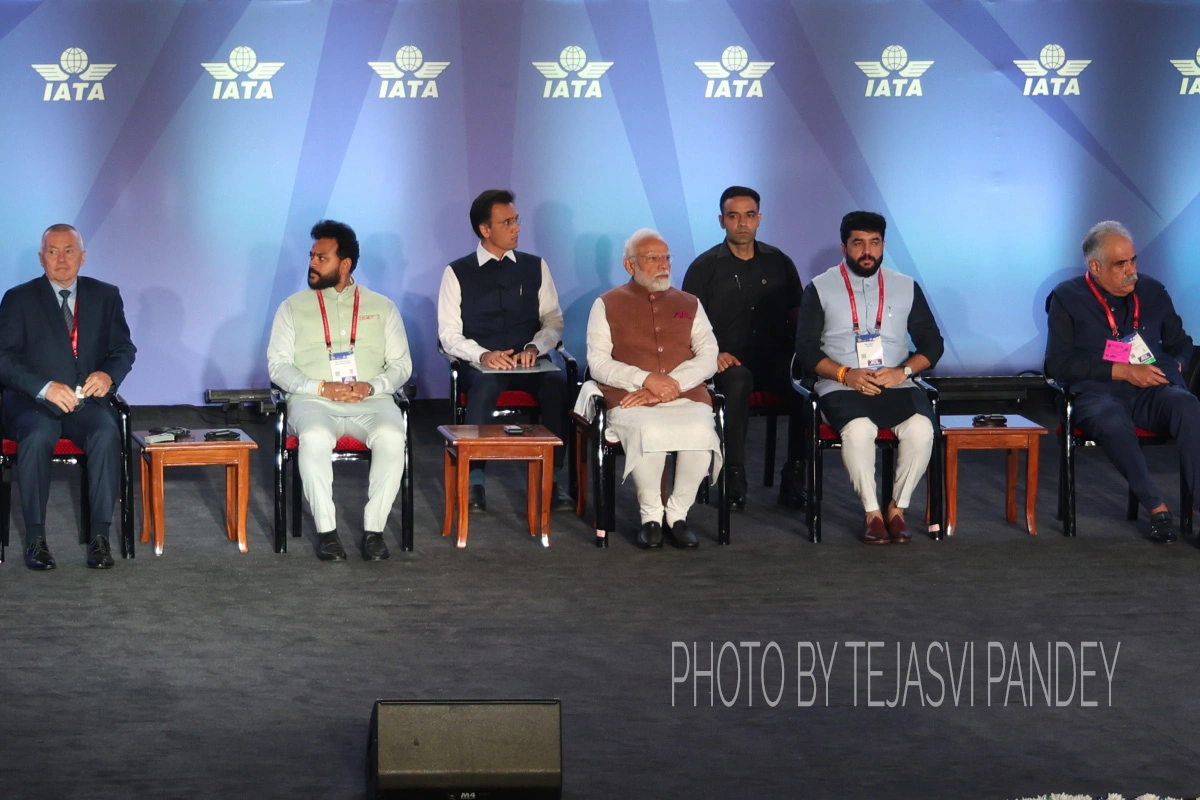
In a powerful closing image, Prime Minister Narendra Modi stands center stage with aviation leaders from across the world, flanked by global airline CEOs, Indian carriers, IATA board members, and Union Civil Aviation Minister Kinjarapu Ram Mohan Naidu. The backdrop: a sky-blue screen reading “India: Ready for Takeoff.”
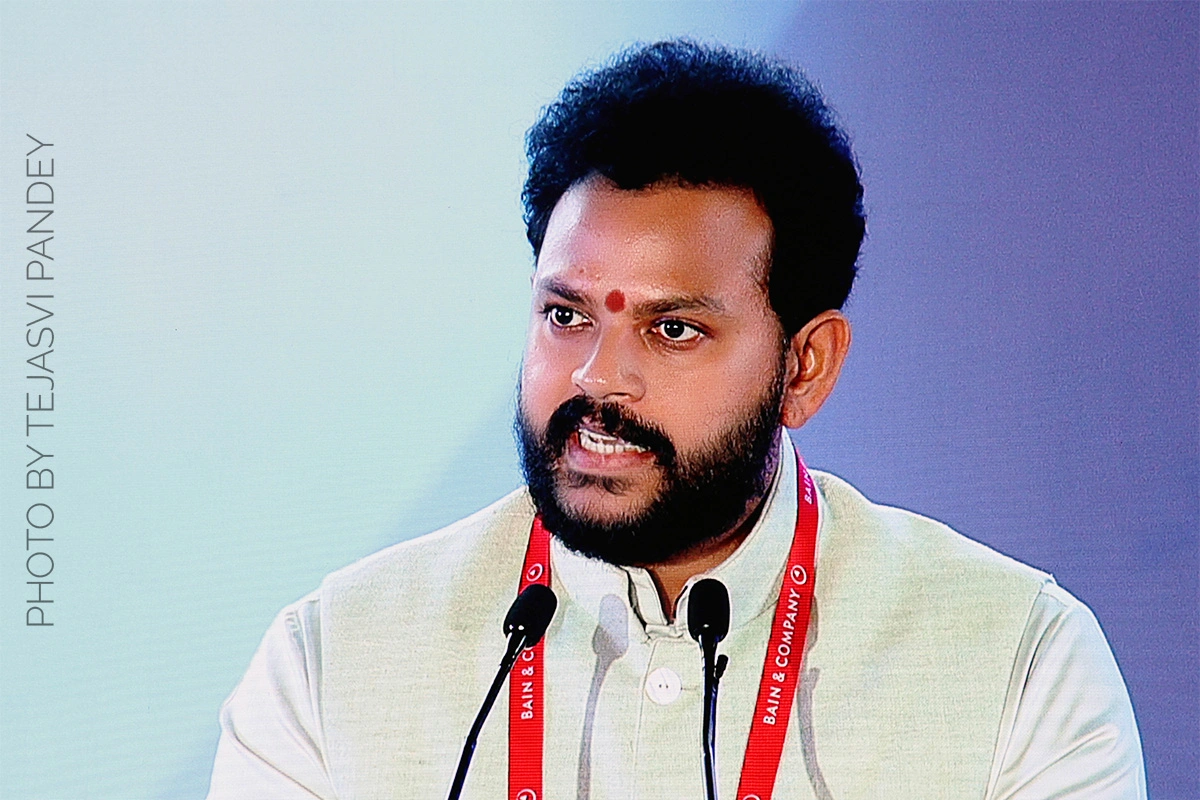
“Domestic air traffic is up 130%, international travel surged from 55 to 72 million. Air travel is now accessible, affordable, and available to every Indian.”
“Under PM Modi’s visionary leadership, India is not just flying—it’s leading the global economy.”
Prime Minister Narendra Modi echoed the vision, saying:
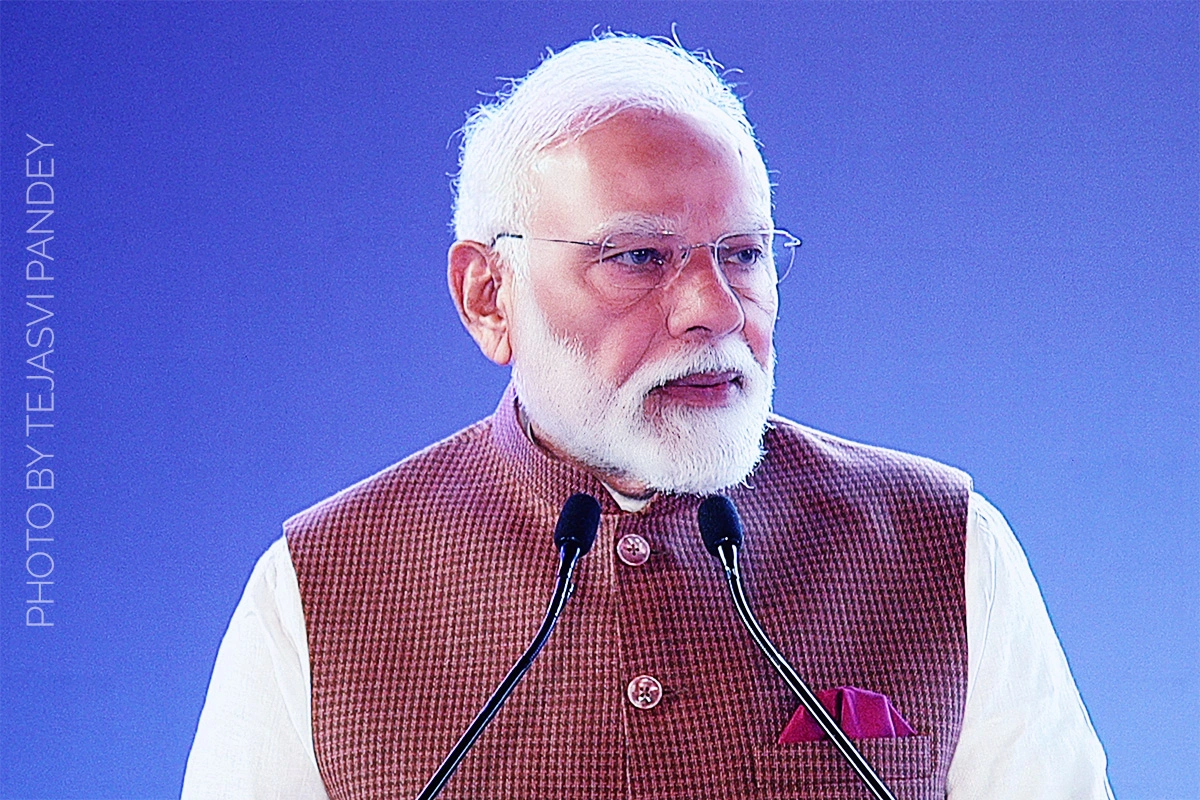
“After four decades, IATA returns to a new India—confident, connected, and committed to global progress,” said PM @narendramodi.
“We’re not just flying city to city—we’re imagining interplanetary journeys. Civil aviation is now a gateway to the future, and India is ready for this leap.”
“India is built for aviation leadership,” he declared.
“Three pillars power our rise—a vast aspirational market, youth-led innovation, and pro-industry policy ecosystems. The runway is ready.”
Pieter Elbers, IndiGo CEO (Closing remarks)
“In aviation partnerships, ‘interesting’ means success, growth — and a bit of fun.”
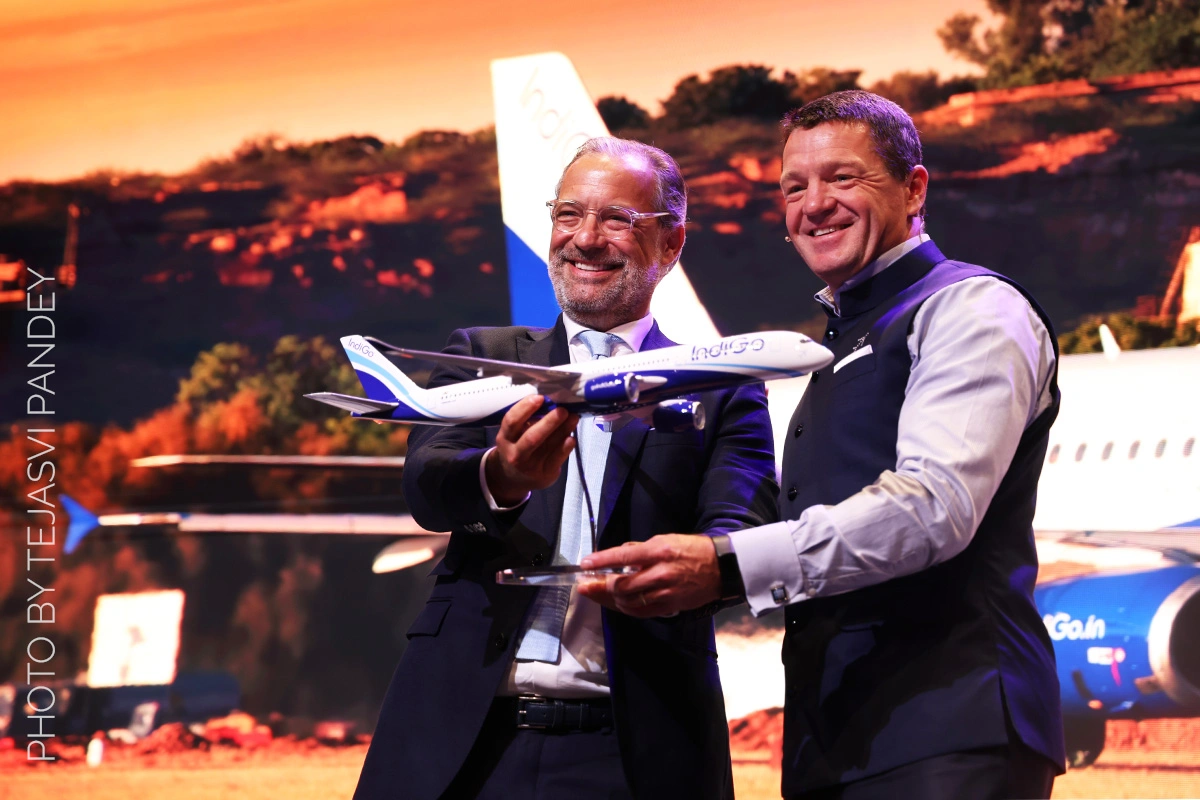
With humility and humor, Elbers summarized the collaborative spirit driving India’s aviation success—where partnerships foster innovation, growth, and enjoyment.
The 81st IATA AGM underscored that aviation is a cornerstone of India’s economy—creating millions of jobs, supporting billions in GDP, and opening pathways for tourism, trade, and regional integration. As India hosts the global aviation community in New Delhi, the message is clear: India’s skies are ready to lead the next golden era of flight.