


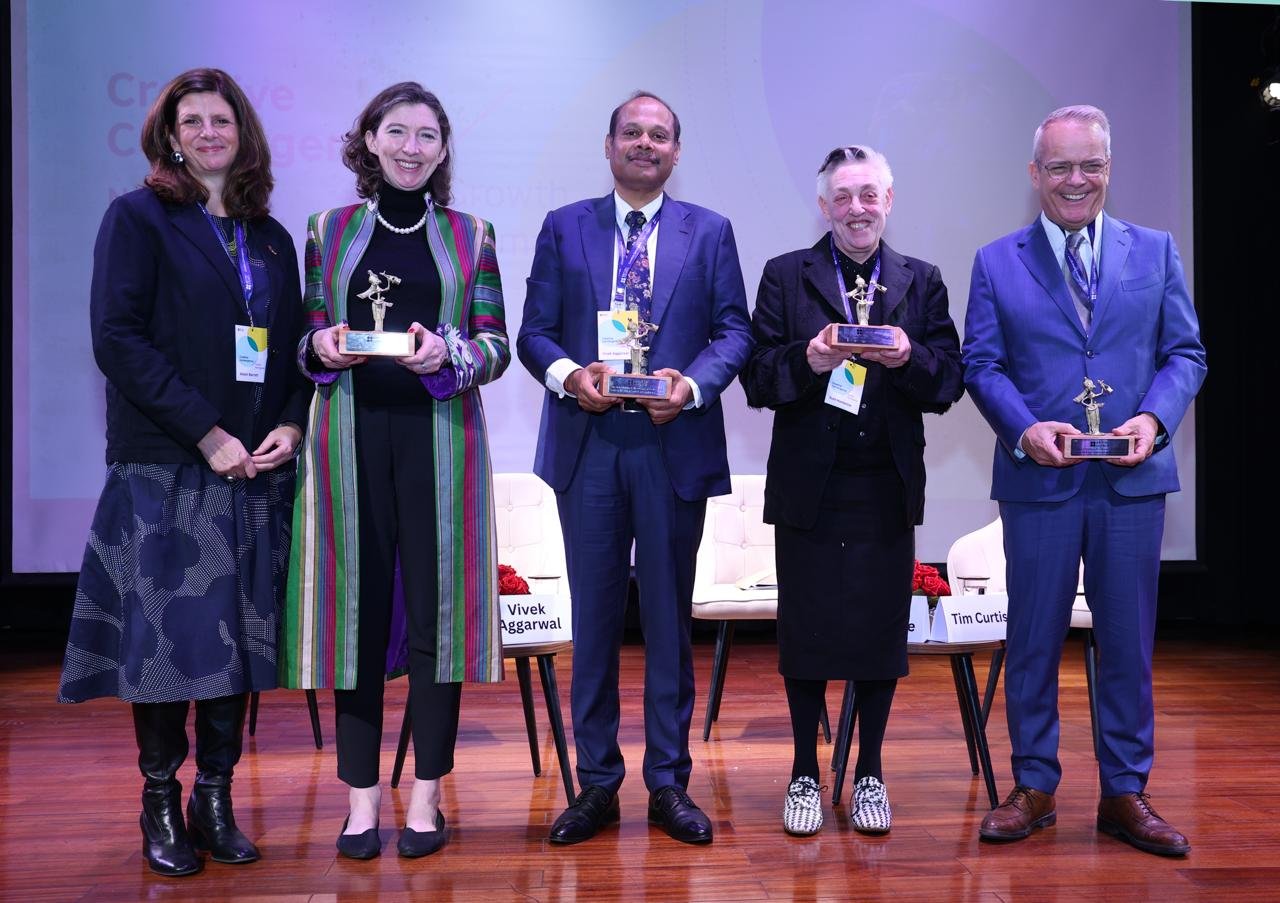






New Delhi: As India and the UK seek to deepen economic and strategic ties beyond trade and defence, the creative economy emerged as a key growth driver at a two-day conclave hosted by the British Council here.

‘Creative Convergence: Growth Reimagined’, hosted by the British Council in New Delhi on January 29–30, brought senior policymakers, UNESCO officials, researchers and creative entrepreneurs together to shape a joint roadmap for cultural and creative industries.
The Delhi edition follows the inaugural Bengaluru meet in November 2025 and is part of the India–UK Programme of Cultural Cooperation (2025–2030). Unlike earlier cultural exchanges, the focus this time was squarely on policy alignment, research-led decision-making and market-driven collaboration—signalling a shift towards treating creative industries as a serious economic sector.
Opening the conference, British High Commissioner to India Lindy Cameron CB OBE said the creative economy now sits at the intersection of culture, technology, skills and enterprise. “2025 marks a new phase in the UK–India relationship—one defined by delivery,” she said, adding that both countries are well placed to shape global creative markets by combining innovation with local insight.
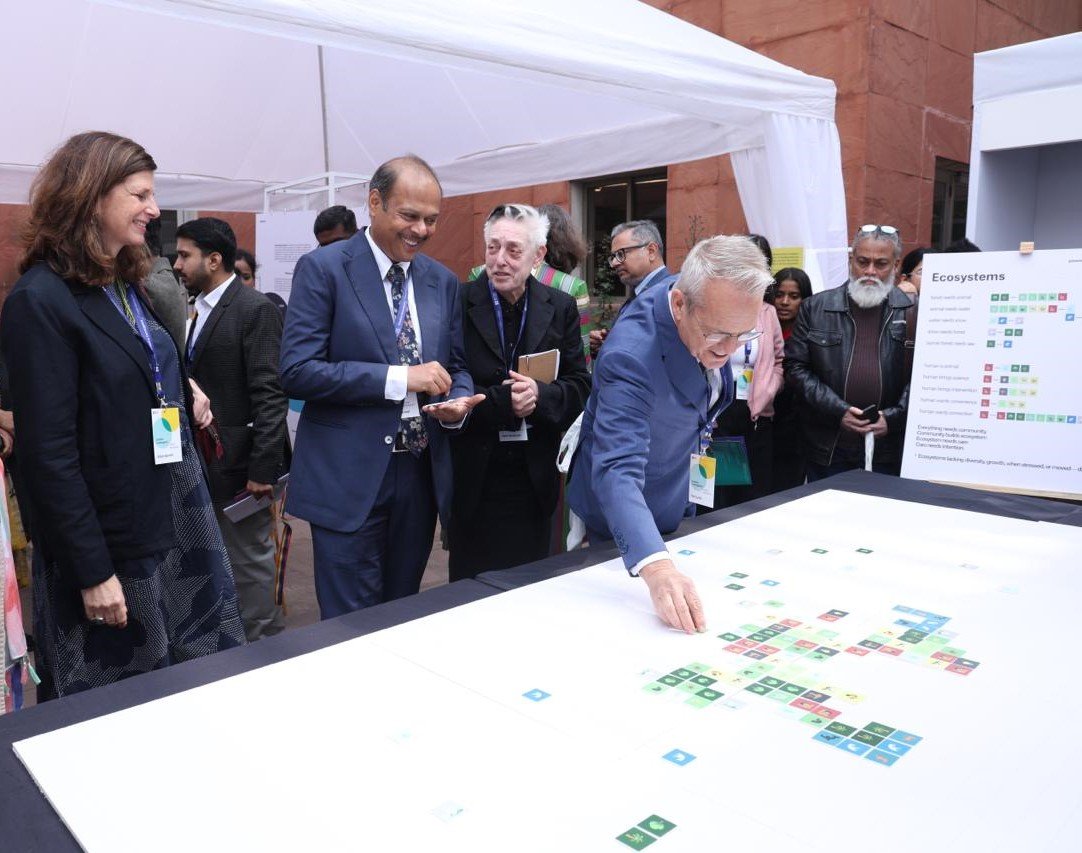 India’s Ministry of Culture Secretary Vivek Aggarwal underlined that creative industries are central to India’s development strategy. “For India, the creative economy is not a niche sector. It is about livelihoods,” he said, linking crafts, design, film and cultural production to employment generation and regional development.
The high-level plenary also featured Tim Curtis, Director of UNESCO’s South Asia office, who argued that culture is finally moving from the margins to the centre of development policy. “When we talk about growth reimagined, we are really asking what kind of societies we want to live in,” he said, calling for creativity to be embedded in public policy and urban planning.
British Council’s Global Arts Director Ruth Mackenzie CBE said creativity drives prosperity through storytelling and innovation, while Country Director Alison Barrett MBE noted that platforms like Creative Convergence help bridge policy, research and enterprise into a single ecosystem.
Day one featured a policy conference on strengthening India–UK creative collaboration, alongside an immersive exhibition on sustainable design and a focused forum on Indo-UK documentary co-production and financing. Day two shifted attention to data-driven cultural research, sustainable fashion and emerging creative technologies, concluding with an experimental live performance integrating sound, movement and digital tools.
The conclave ran alongside an online policy training programme for creative professionals from both countries, reinforcing the long-term institutional intent behind the initiative.