


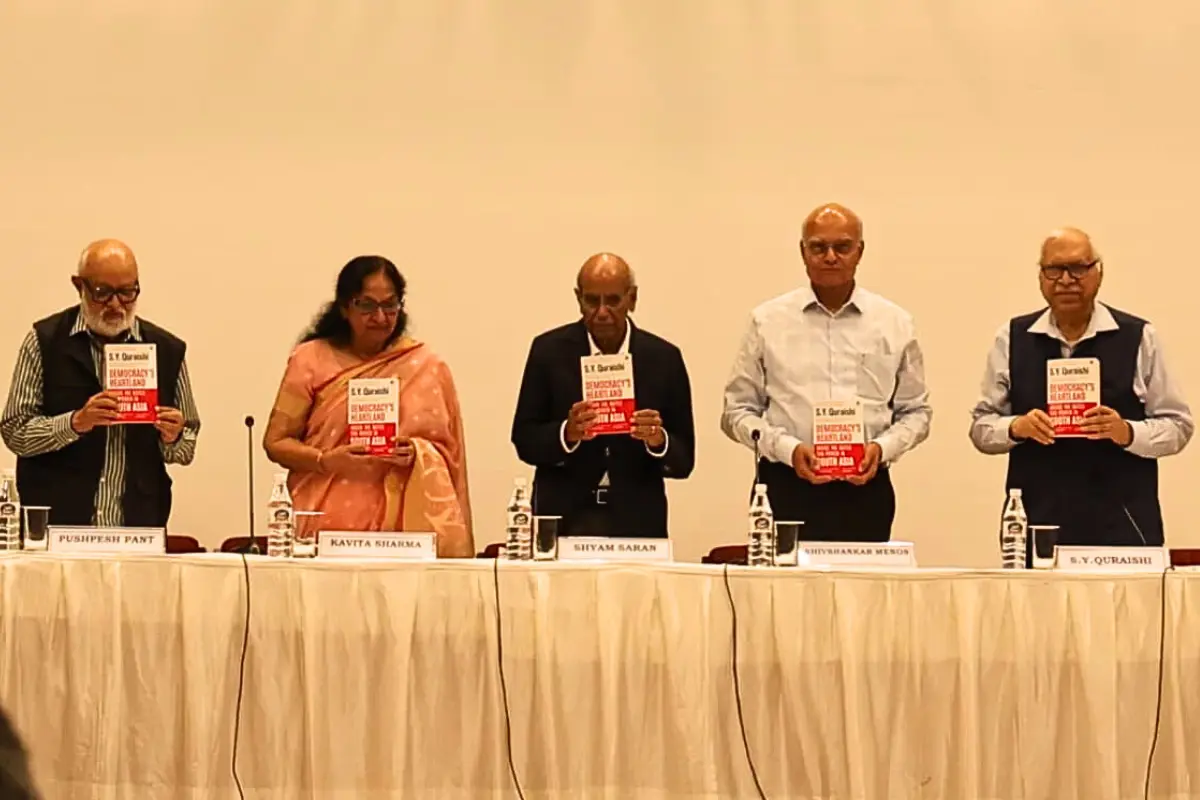






NEW DELHI: Former Chief Election Commissioner of India Dr. S.Y. Quraishi marked International Democracy Day with the launch of his latest book, Democracy’s Heartland: Inside the Battle for Power in South Asia, at the India International Centre (IIC), New Delhi.

The book, published by Juggernaut Books, explores the resilience, challenges, and evolving nature of democracy across South Asia.
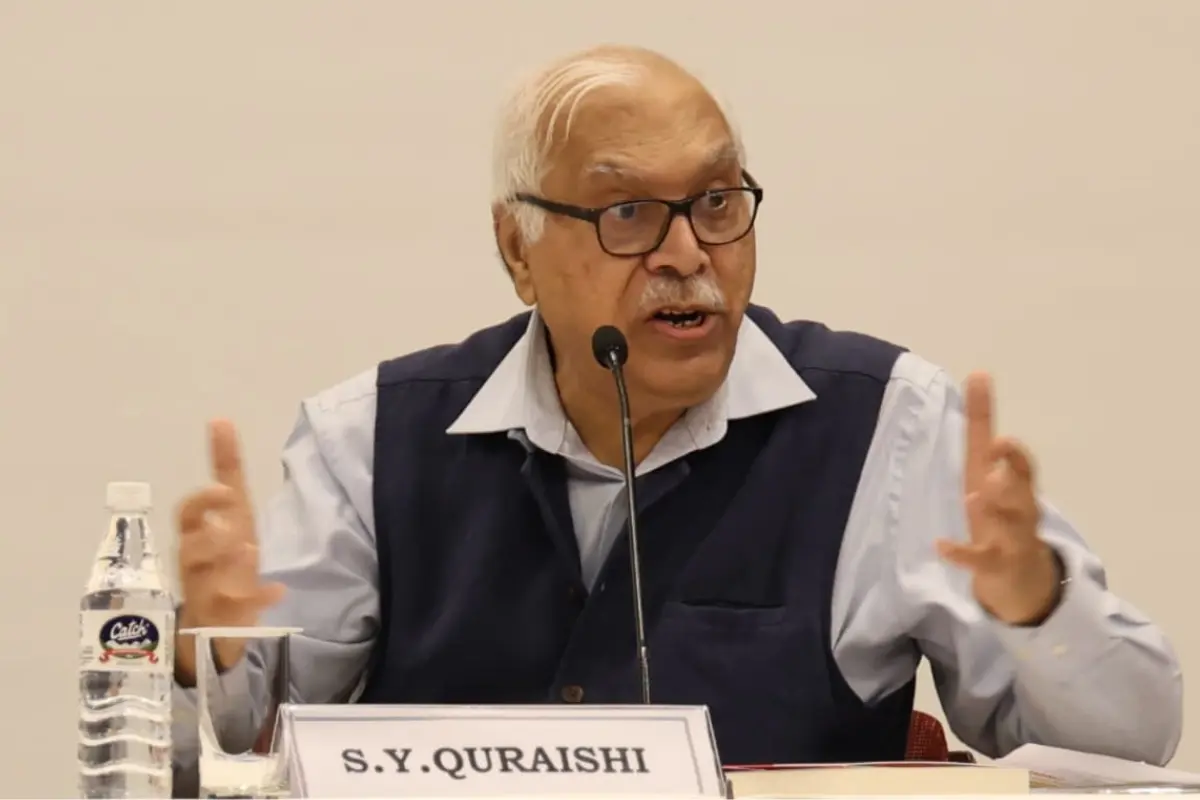
Dr. Quraishi said the date was a deliberate choice to emphasize the book’s central theme — the survival and adaptability of democratic values in the region.
The work combines analysis with ground-level stories, offering insights into how democratic institutions have withstood both internal and external pressures.
Author’s Contribution
India’s 17th Chief Election Commissioner, Dr. Quraishi, is widely recognized for electoral reforms introduced during his tenure, including the Voter Education Division, Expenditure Monitoring Division, and the India International Institute of Democracy and Election Management.
He also instituted National Voters’ Day to encourage public participation.
In 2018, he was named Global Ambassador of Democracy and has represented India on international election missions.
The Panel
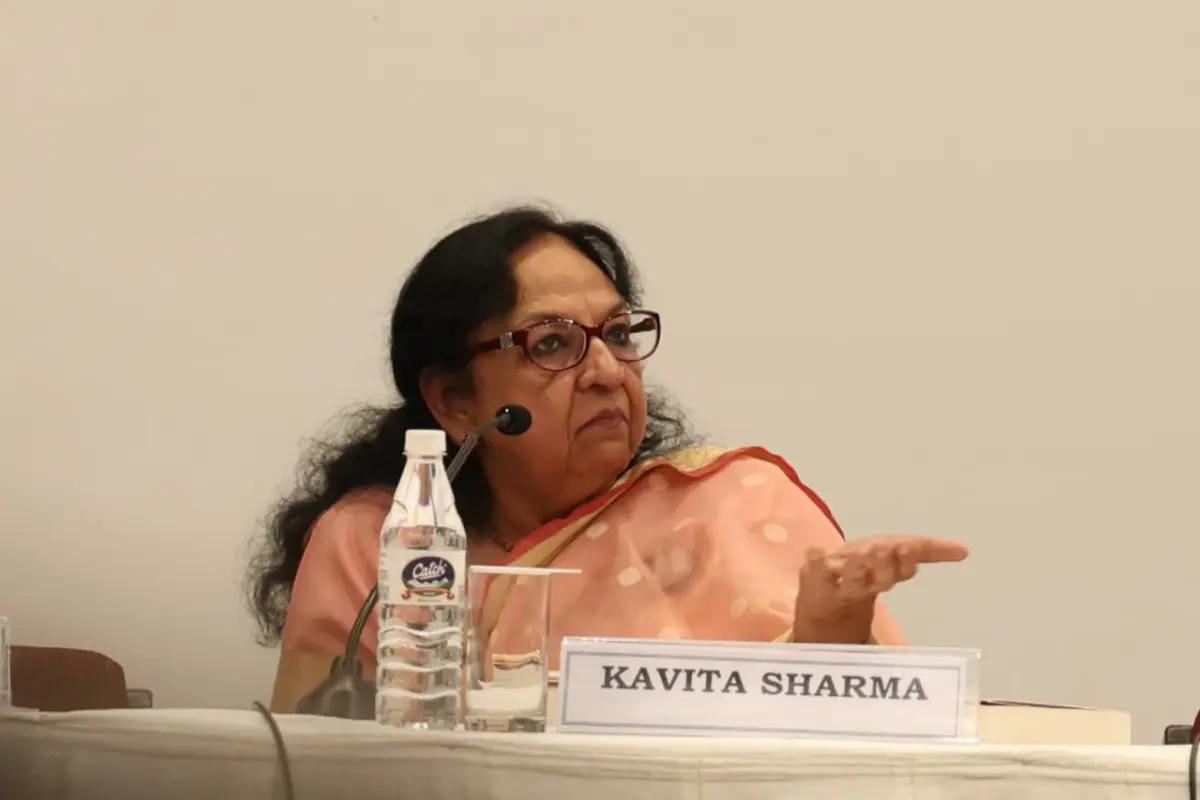
The launch was chaired by Shyam Saran, President of IIC and former Foreign Secretary. The panel included Shivshankar Menon, former National Security Advisor and Foreign Secretary; Prof. Kavita Sharma, former Director of IIC and President of South Asian University; and academic and critic Prof. Pushpesh Pant, who moderated the discussion.
Key Observations Under the Lens
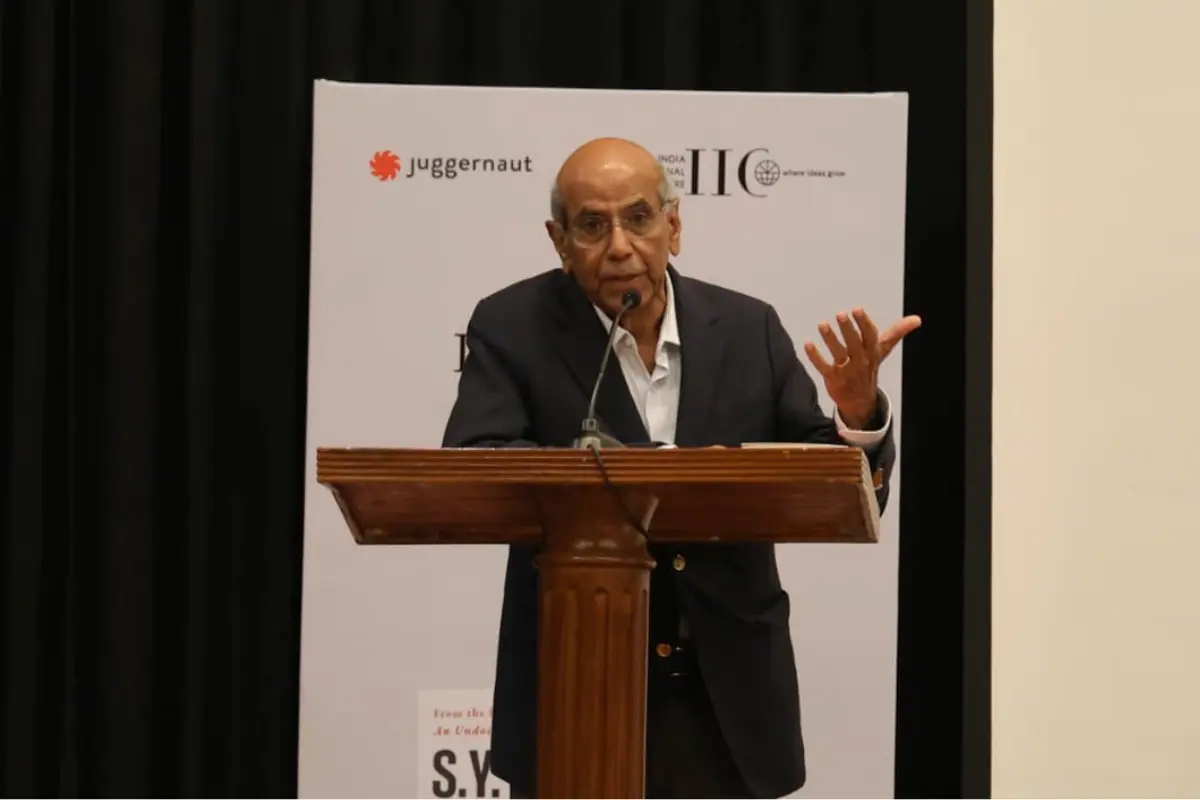
Saran described the book as timely, noting that social media has empowered young people to mobilize against corruption and elitism.
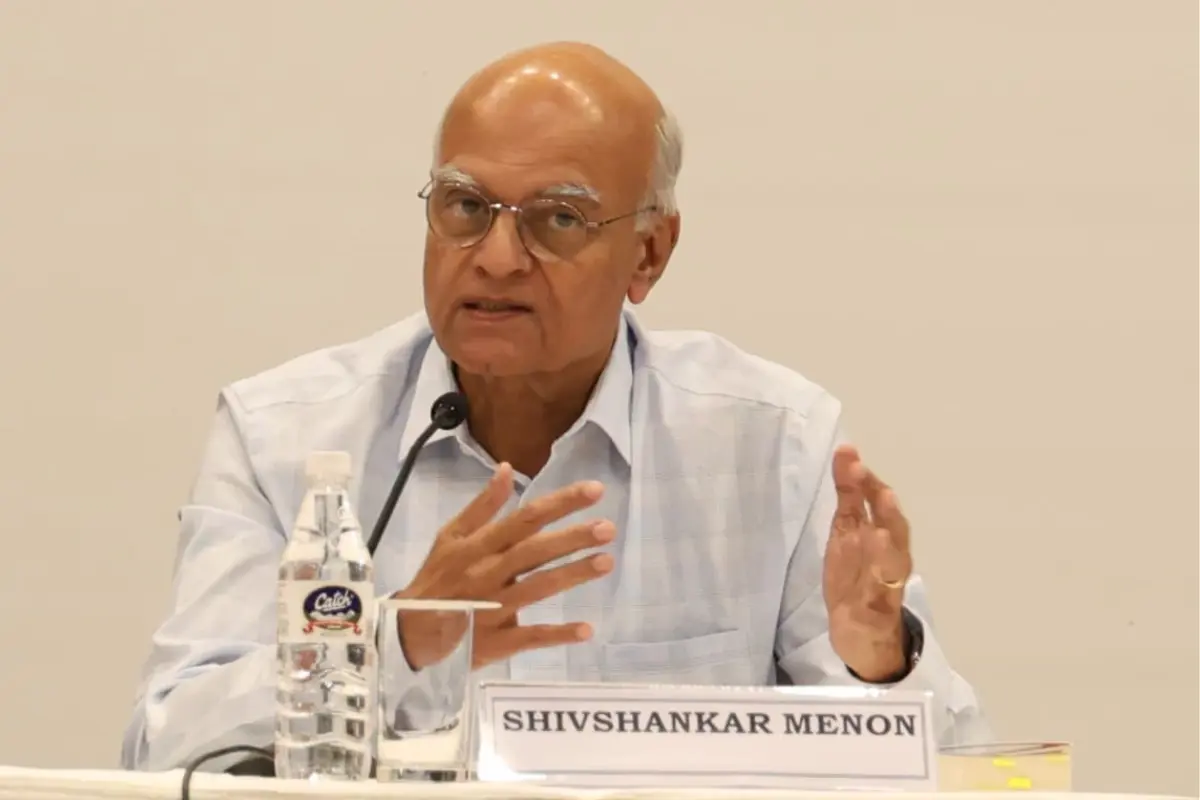
Menon highlighted both the promise and fragility of democracy in South Asia, warning that India’s regional leadership weakens when exclusionary politics dominate. He also expressed faith in the youth, calling them more sensitive to inequality and determined to act democratically.
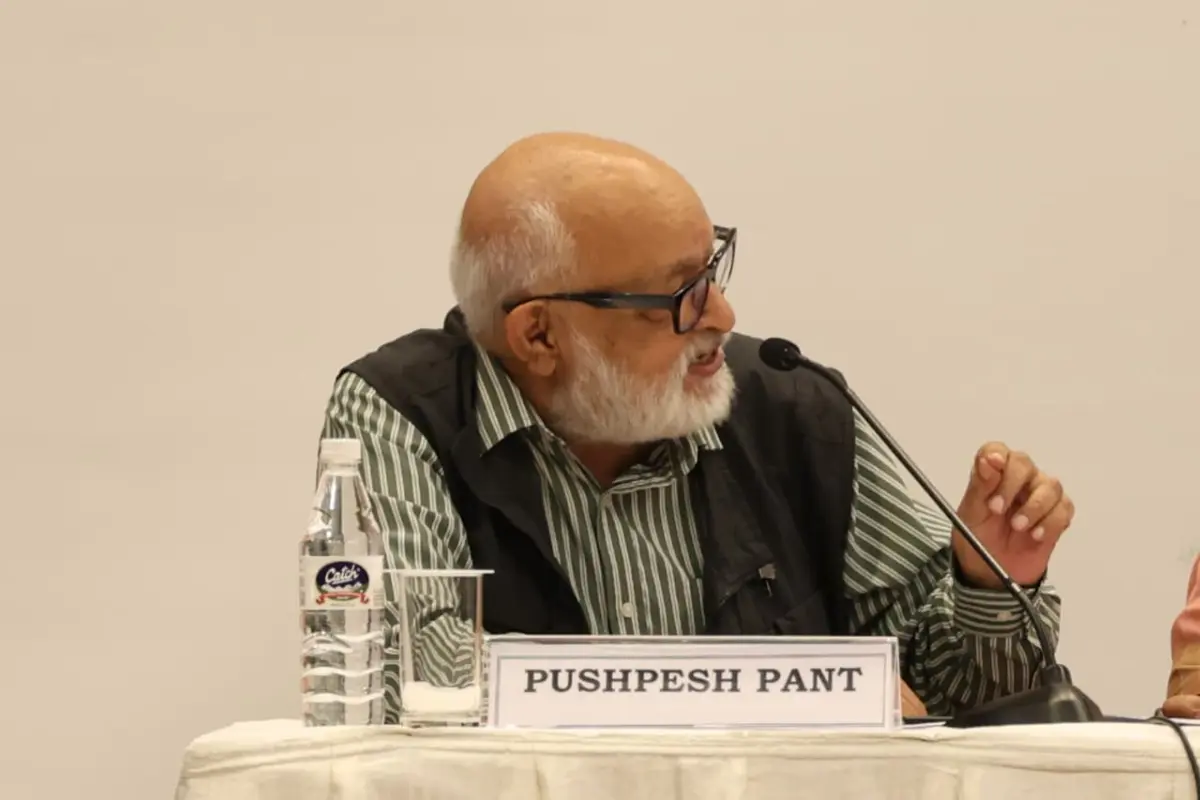
Pant reflected on democracy’s “recurring instinct” in the region, which persists despite setbacks. He posed the central question to the author: why this book, and why now? Sharma drew from her academic experience, observing that South Asian students deeply desire democracy but are often shaped by confrontational politics back home.

Dr. Quraishi responded with personal anecdotes, including advice he once received in the U.S. to embrace opposition politics, and experiences in Nepal, where citizens seek “not less democracy but better democracy.” On dynastic politics, he remarked: “There is no harm in it until people elect them, let the voters decide.”