


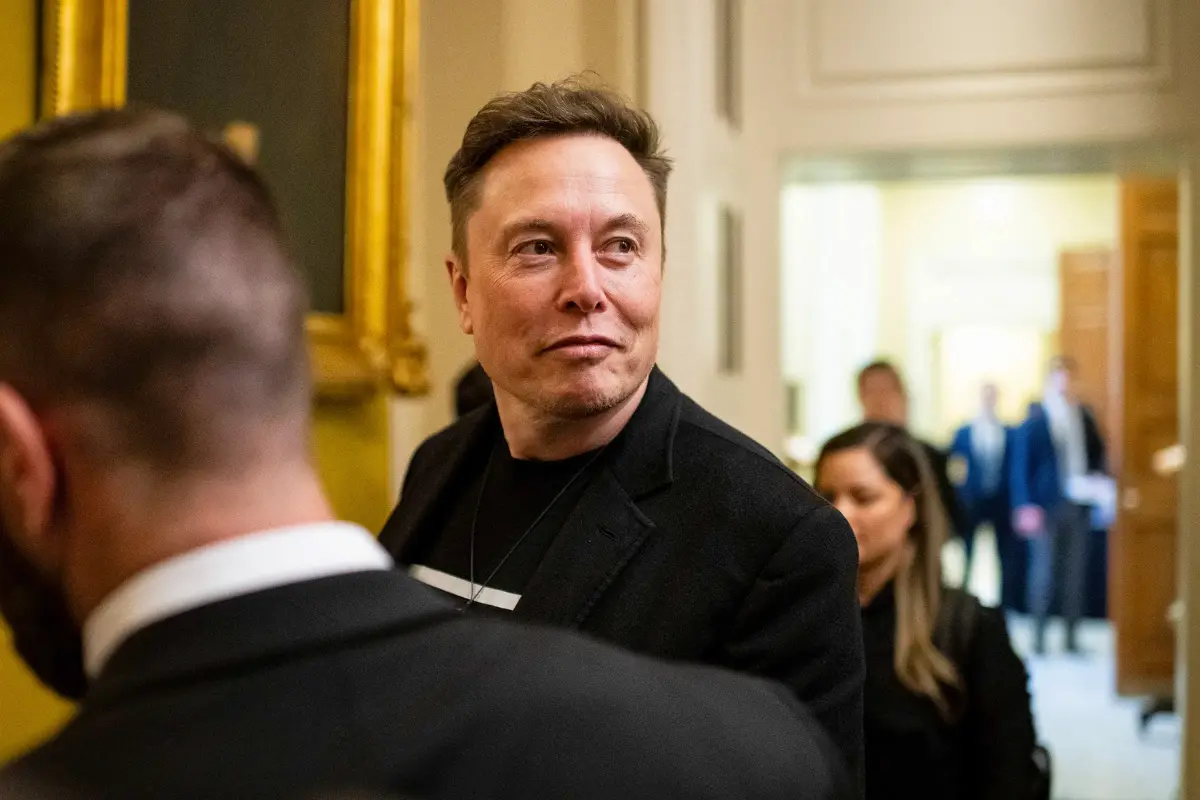






NEW DELHI/WASHINGTON, D.C.: In a post that has reignited heated debate over immigration and citizenship policy, news-sharing account Leading Report published a statement attributed to Elon Musk calling on the U.S. government to strip citizenship from foreign-born individuals who violate their “oath to America.”

The post, shared early on November 30, reads:
“Strip every foreigner of their citizenship ‘immediately’ if they break their oath to America.”
Within hours, the message had drawn hundreds of thousands of views — underscoring how polarising and widely discussed the proposal has become.
Public Reaction and Legal Concerns
Reactions on social media and among legal commentators have been sharply divided. Some supporters argue that U.S. citizenship should come with strict loyalty requirements — especially from immigrants — and that serious violations justify revocation.
On the other hand, critics warn that such a policy would contradict long-standing constitutional protections around citizenship and due process, potentially opening the door to arbitrary or politically motivated denaturalization.
At present, no official policy changes have been proposed by U.S. authorities. The post remains a controversial call to action rather than a government mandate. Legal experts point out that stripping citizenship — even from naturalized immigrants — requires formal legal proceedings, and that constitutional and statutory safeguards exist to prevent misuse of such powers.
Why This Matters
-
The post taps into broader public anxieties about immigration, national security, and identity — issues that remain divisive in American politics.
-
It revives debate over the balance between civil liberties and state power, particularly in cases involving citizenship, naturalization, and revocation.
-
Whether taken seriously or dismissed as rhetorical, the call has jolted discussions around what “loyalty” and “oath” mean, especially for immigrants contributing to American society.

For now, the idea remains speculative. But the uproar shows how a single online post — amplified by a high-profile platform — can influence public discourse and pressure policymakers to respond.