








New Delhi: The Election Commission of India has decided to retain nearly 70,000 Central Armed Police Forces (CAPF) in West Bengal in anticipation of attempts to disturb law and order in the state once the assembly election results are declared on May 4.

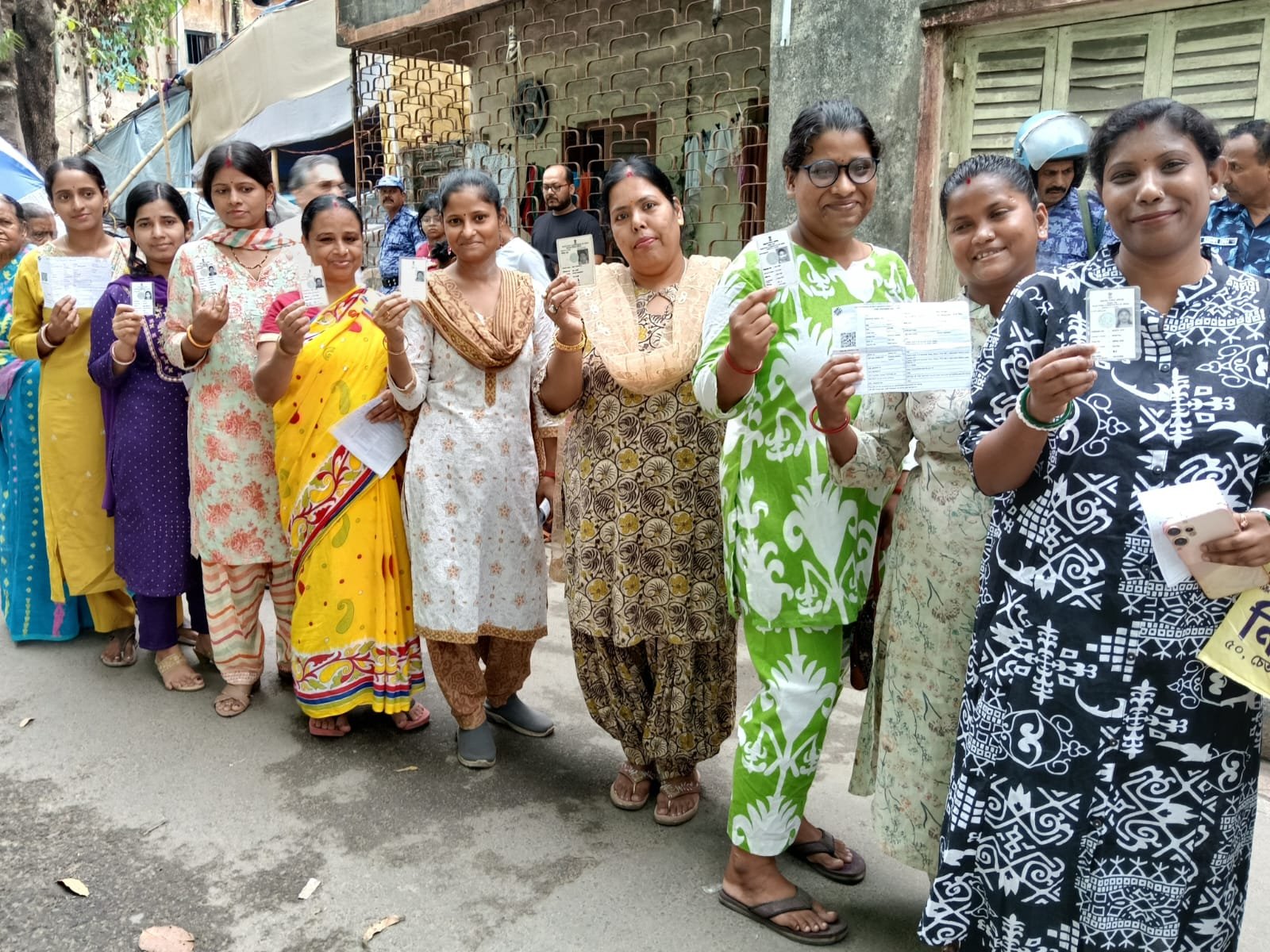
West Bengal’s 294-seat Legislative Assembly went to polls in two phases of polling on April 23 and April 29 that produced what the Election Commission of India described as the highest aggregate voter turnout since independence — 92 per cent statewide.
The state’s 68.25 million registered electors — a figure already sharply contested during the campaign — have delivered ballot verdicts that will determine whether the Trinamool Congress (TMC) holds power for a third consecutive term or the Bharatiya Janata Party (BJP) which has grown from three seats in 2011 to 77 in 2021, enters Fort Writers’ Buildings for the first time.
The political atmosphere in the state, ahead of the results, is charged following the TMC’s allegation that the EVMs have been tampered with. The contradictory exit polls by various poll agencies have intensified the polarising rhetoric and raised the political fever in the state.
In run up to the assembly elections, the state has already witnessed fierce political battles between the two warring parties in the last couple of years.
No single administrative act generated more controversy in the 2026 campaign than the Election Commission’s Special Intensive Revision (SIR) of West Bengal’s electoral rolls. The process removed approximately 9 million names — roughly 12 per cent of the entire electorate — between October 2025 and the announcement of polling. The final registered voter count stood at 68.25 million, down from 76.6 million in October 2025. Over six million deleted voters were categorised as absentee or deceased; the status of 2.7 million remained disputed before adjudication tribunals as polling proceeded.
The ruling party, TMC accused the BJP government at the center for targeting and deleting Muslim voters and Dalit Hindus in northern and border districts. The TMC framed the SIR as a disenfranchisement exercise, arguing that genuine voters — particularly minorities and Dalits — had been stripped of their franchise. The BJP defended it as a long-overdue correction, clearing “bogus entries” of deceased persons and illegal migrants.
Undocumented cross-border migration from Bangladesh served as the BJP’s central national-security argument throughout the campaign. Home Minister Amit Shah, at a press conference in Kolkata in March, released what the party called a “charge sheet” against the TMC government, alleging that West Bengal had become the country’s “principal corridor” for infiltration due to “TMC’s appeasement politics, corruption and political violence.” Banerjee accused the BJP of using migration as a tool for communal polarisation.
The Citizenship Amendment Act remained a campaign issue distinct from, but linked to, the migration debate. The BJP promised to fast-track citizenship processing under the CAA for communities that had sought refuge from religious persecution, particularly targeting the Matua community — a large Hindu refugee-origin group concentrated in North 24 Parganas, Nadia, and parts of North Bengal. The TMC argued that the CAA was being deployed to polarise the electorate and that the overlap of CAA rhetoric with the SIR process had amplified anxiety among Muslim communities and some migrant groups.
In view of anti-incumbency after 15 years of TMC rule, the BJP constantly attacked the TMC over governance related issues—corruption, unemployment, lack of jobs, delayed recruitment examinations and the effects of scams on public hiring. The TMC responded by pointing to its welfare delivery record and infrastructure expansion.
The 2024 rape and murder of a trainee doctor inside R.G. Kar Medical College and Hospital in Kolkata — which triggered nationwide protests and a prolonged agitation by the medical community — translated directly into electoral politics in 2026. The BJP fielded Ratna Debnath, the victim’s mother, as its candidate from Panihati in North 24 Parganas. The TMC, in response, cited National Crime Records Bureau data showing Kolkata’s comparatively low reported crime rate among India’s large cities.
The TMC showcased its direct benefit transfer machinery, the Lakshmir Bhandar scheme, which provides monthly cash transfers to women, and claimed that it has reached 2.42 crore women across the state. In the campaign’s final stretch, Banerjee announced an increase — from Rs 1,000 to Rs 1,500 per month for general category women, and Rs 1,700 for SC/ST women.
The TMC’s manifesto also promised Rs 1,500 monthly support for unemployed youth, a Rs 30,000 crore agriculture budget, piped drinking water to every household, and doorstep healthcare through ‘Duare Chikitsa’ camps.
The BJP countered the welfare pitch with what it framed as a “Bangla Renewal” argument — an appeal to Bengali cultural identity, heritage and Hindu consolidation. The party invoked Swami Vivekananda, Rabindranath Tagore, Bankim Chandra Chattopadhyay, and Syama Prasad Mukherjee to position itself as the inheritor of Bengal’s renaissance tradition.
The TMC ran on the slogan “Abar jitbe Bangla” (Bengal will win again), defending Bengali sub-nationalism and state autonomy against what it described as central encroachment.
Phase 1 (April 23) covered 152 constituencies across 16 districts, including all of North Bengal — Cooch Behar, Alipurduar, Jalpaiguri, Darjeeling — and the Jangalmahal belt of Purulia, Bankura, and Jhargram. Phase 2 (April 29) covered 142 seats encompassing Kolkata, Howrah, North and South 24 Parganas, Nadia, Hooghly, and Purba Bardhaman — historically the TMC’s stronghold.
The Election Commission deployed over 350,000 security personnel for Phase 2, deploying the National Investigation Agency in a state election for the first time. Sporadic violence was reported in Howrah and Hooghly. At Bhabanipur — Chief Minister Mamata Banerjee’s constituency — the principal challenge came from BJP’s Leader of Opposition Suvendu Adhikari, who simultaneously contested Nandigram in East Midnapore, where he defeated Banerjee in 2021.

A majority in the 294-member assembly requires 148 seats. In 2021, the TMC won 215 seats; the BJP won 77.