


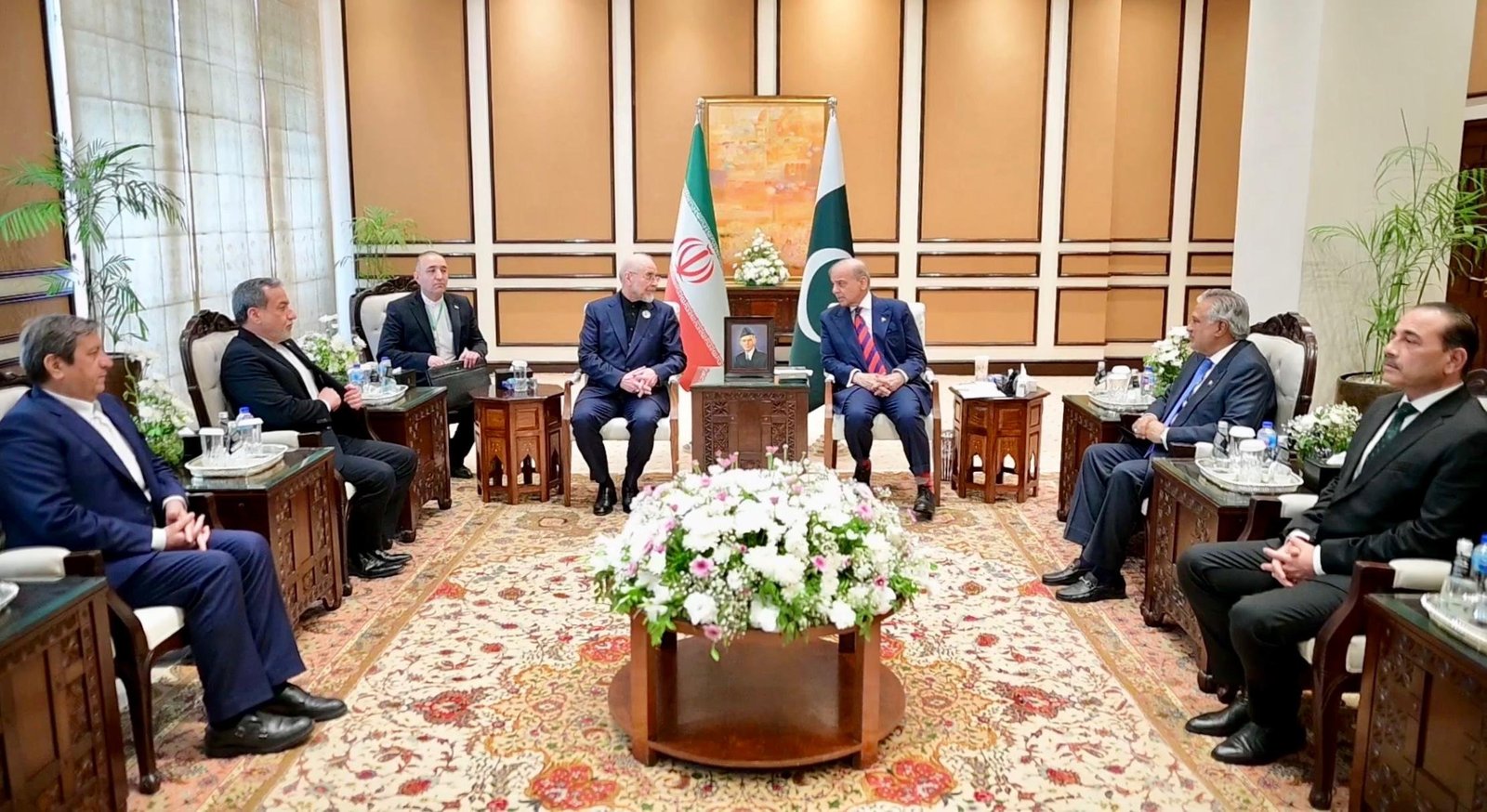






New Delhi: High-level talks between the United States and Iran in Islamabad ended without agreement after nearly 21 hours of negotiations, with both sides citing fundamental differences over nuclear commitments and regional security issues, officials said on Sunday.

The talks, hosted by Pakistan and involving senior leadership from both countries, marked one of the most significant direct engagements between Washington and Tehran in decades. They were aimed at securing a broader ceasefire framework amid an escalating regional conflict.
US Vice President JD Vance, who led the American delegation, said the negotiations concluded after Iran declined Washington’s core demands.
“We need to see an affirmative commitment that [Iran] will not seek a nuclear weapon,” Vance said, adding that such assurances were “the core goal” of the US administration.
Vance said the United States had presented what he described as a “final and best offer,” but that Tehran did not accept it.
Iranian officials, however, rejected the US position, accusing Washington of imposing “excessive” and “unlawful” demands during the negotiations.
Iran’s Foreign Ministry said the success of the talks depended on avoiding such demands, while maintaining that its nuclear programme is for peaceful purposes.
The failure of the talks leaves key issues unresolved, including Iran’s nuclear activities, sanctions relief, and control over the Strait of Hormuz, a critical global energy route.
Officials on both sides acknowledged that deep mistrust and entrenched positions prevented a breakthrough. The United States insisted on curbs to Iran’s nuclear programme and guarantees against weaponisation, while Iran sought recognition of its nuclear rights, lifting of sanctions, and broader regional concessions.
Pakistan, which hosted and mediated the talks, urged both sides to maintain restraint and continue diplomatic engagement.
“It is imperative that the parties continue to uphold their commitment to ceasefire,” Pakistan’s Foreign Minister Ishaq Dar said following the talks.
Despite the breakdown, officials signalled that diplomatic channels remain open. Iran’s Foreign Ministry said “the path to diplomacy remains open,” while international partners including Australia called for continued negotiations and adherence to the ceasefire.
The talks took place against the backdrop of a fragile ceasefire and ongoing tensions in the Middle East, including conflict involving Iran-backed groups and concerns over maritime security in the Strait of Hormuz.
US officials said President Donald Trump was in frequent contact with the negotiating team during the discussions, underscoring the high stakes involved.
The collapse of the Islamabad talks highlights the persistent gap between U.S. and Iranian strategic objectives, and raises uncertainty about the durability of the current ceasefire.
Both sides left Islamabad without announcing a date for further talks.
The conflict began after a sharp escalation in June 2025, when Israel launched coordinated strikes on Iranian nuclear facilities, military sites and senior leadership, triggering the first sustained direct confrontation between the two countries. The war expanded in February 2026 when the United States joined Israel in a wider air campaign targeting Iran’s nuclear infrastructure and strategic assets, prompting retaliatory missile and drone attacks by Tehran across the region.

Despite US-brokered ceasefire efforts, Israel has continued military operations, particularly against Iran-backed groups, signalling it does not view the truce as binding across all fronts. Israeli officials have indicated the campaign is part of a longer-term strategy, even as Washington pushes for de-escalation.