








New Delhi: Sri Lanka’s navy has recovered at least 87 bodies and rescued 32 Iranian sailors after a United States submarine sank an Iranian naval warship in the Indian Ocean, in one of the deadliest naval incidents in the war between Israel-US and Iran.

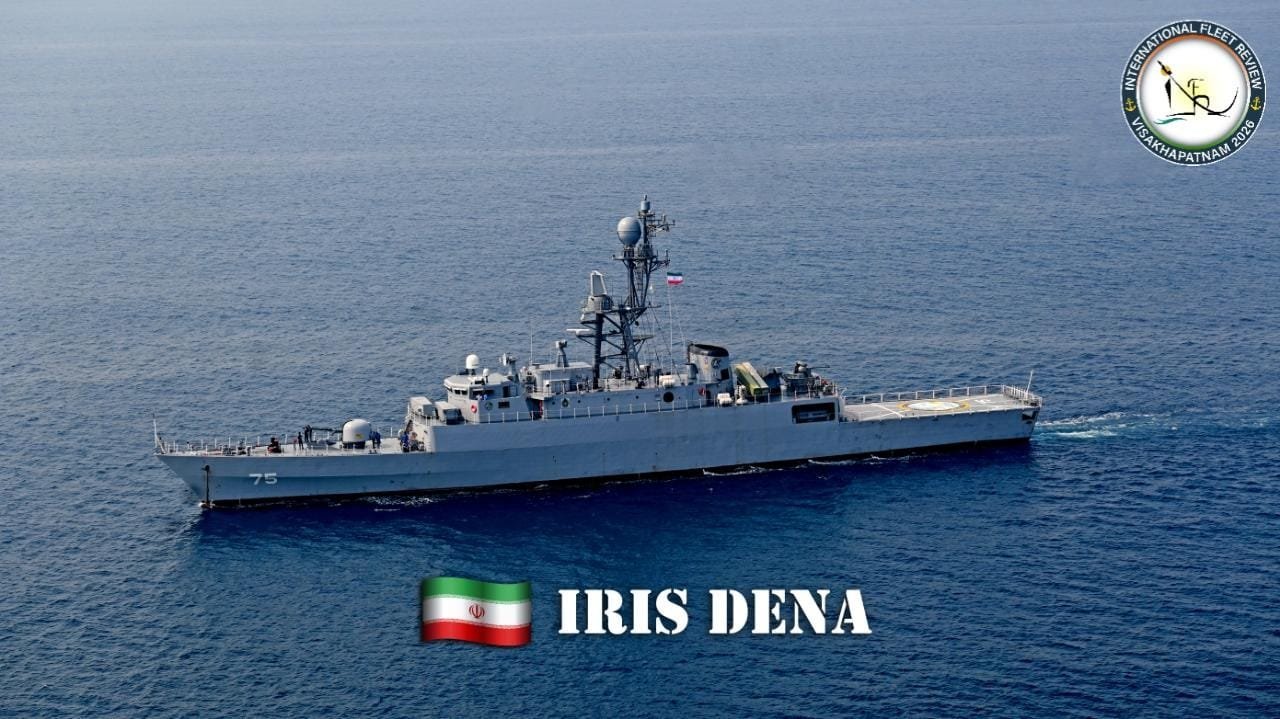
The Iranian sailors suffered such massive casualties after the Iranian frigate IRIS Dena sank following a US torpedo strike early on March 4. Several sailors remain missing, raising fears that the final death toll could exceed 100.
The Sri Lankan navy launched a search-and-rescue mission after receiving a distress call from the Iranian vessel about 40 nautical miles south of the southern port city of Galle. Naval patrol boats and rescue teams were dispatched to the area, where survivors were found floating in the water amid debris from the destroyed ship.
Sri Lankan officials said the rescued sailors were brought ashore and taken to hospitals for treatment, while the recovered bodies were transported to Sri Lankan facilities pending further arrangements with Iranian authorities.
US confirms submarine strike
The United States has confirmed that its navy carried out the attack on the Iranian warship, describing it as part of ongoing military operations targeting Iranian naval capabilities.
At a briefing at the Pentagon, U.S. Defense Secretary Pete Hegseth said the vessel had been destroyed by an American submarine operating in the region.
“An American submarine sank an Iranian warship that believed it was operating safely in international waters,” Hegseth said, adding that the ship was struck by a torpedo.
According to U.S. officials, the submarine used a Mark-48 heavy torpedo, a standard weapon deployed by American submarines against surface ships and submarines.
Military officials said the Iranian vessel sank rapidly after the explosion, leaving many of its crew in the water before Sri Lankan rescue teams arrived.
Iranian condemnation
Iran condemned the attack and accused the United States of targeting a vessel operating in international waters.
Iranian authorities said the frigate was not engaged in combat operations at the time of the strike. Iranian officials described the incident as a “crime at sea” and warned that the United States would face consequences.
The IRIS Dena, a domestically built Iranian frigate commissioned in 2021, had recently taken part in naval engagements abroad, including international naval events hosted by India before beginning its return voyage toward Iran.
At the time of the attack, the vessel was believed to be carrying around 180 naval personnel, including officers and sailors.
Reaction in India
India’s former Navy Chief Admiral Admiral Arun Prakash (Retd.) told an Indian TV news channel, “This has happened at our doorstep. A nuclear submarine was lurking in these waters. India should express its concern and displeasure for brining maritime war at our doorstep.”
In the same vein, India’s former career diplomat Kanwal Sibal on X wrote, “The Iranian ship will not be where it was if we had not invited it to talk part in our Milan exercise. We were the hosts. I am told that as per protocol for this exercise ships cannot carry any ammunition. It was defenceless. The Iranian naval personnel had paraded before our president.
The attack by the US submarine was premeditated as the US was aware of the Iranian ship’s presence in the exercise to which the US navy was invited but withdrew from participation at the last minute, presumably with this operation in mind.
The US has ignored India’s sensitivities as the ship was in these waters because of India’s invitation. We are far from politically or militarily responsible for the US attack. Our“responsibility” is at a moral and human plane. A word of condolence by the Indian Navy ( after political clearance) at the loss of lives of those who were our invitees and saluted our president would be in order.”
The sinking of the IRIS Dena is among the deadliest naval incidents involving Iran in recent years and marks a significant escalation in the widening conflict that has already included missile strikes, air attacks and maritime confrontations across the Middle East and surrounding regions.

The attack could further destabilize maritime security in the Indian Ocean, a region through which a large share of global energy shipments and trade routes pass.