


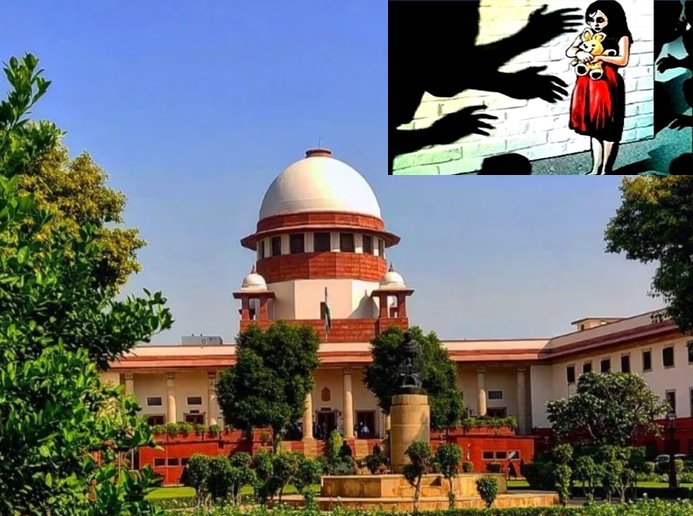






New Delhi: In a significant move, the Supreme Court of India on Wednesday stayed the controversial order of the Allahabad High Court, which held that grabbing the breasts of a minor girl, breaking the string of her pyjama, and attempting to drag her beneath a culvert did not constitute an attempt to rape. The High Court had categorized these actions as ‘aggravated sexual assault’ under the POCSO Act, which carries a lesser punishment.

During the hearing, the Supreme Court bench, comprising Justices B.R. Gavai and Augustine George Masih, expressed strong disagreement with the High Court’s judgment, calling it “shocking” and “insensitive.”
The bench remarked that the High Court judge exhibited “total insensitivity” in handling the case. They noted that the judgment was delivered after four months of deliberation, indicating deliberate application of mind.
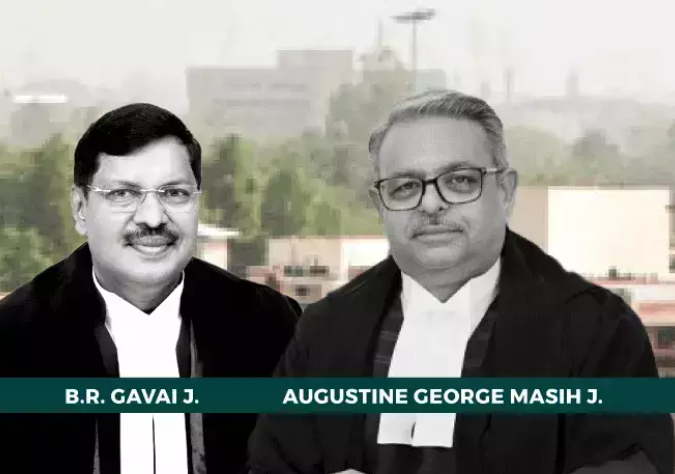
“We are at pains to state that it shows a total lack of sensitivity on the part of the author of the judgment,” the bench observed, staying the controversial observations made in paragraphs 21, 24, and 26 of the High Court’s order.
Justice Ram Manohar Narayan Mishra, who authored the High Court’s judgment, ruled that mere grabbing of the breast does not constitute rape but falls under the ambit of assault or use of criminal force against a woman with the intent to disrobe or compel her to be naked.
The High Court directed that the accused be tried under Section 354-B IPC (assault or use of criminal force with intent to disrobe) along with Sections 9/10 of the POCSO Act (aggravated sexual assault), which attract lesser penalties if convicted.
ALSO READ: Disha Salian case reopened: FIR against Aaditya Thackeray, Rhea Chakraborty and others
The case, which has sparked widespread public outrage, involves two accused, Pawan and Akash, who allegedly assaulted an 11-year-old girl in Kasganj, Uttar Pradesh, on November 10, 2021. The prosecution charged that the accused grabbed the victim’s breasts, broke the string of her pyjama, and attempted to drag her beneath a culvert. Passersby intervened, forcing the accused to flee the scene.
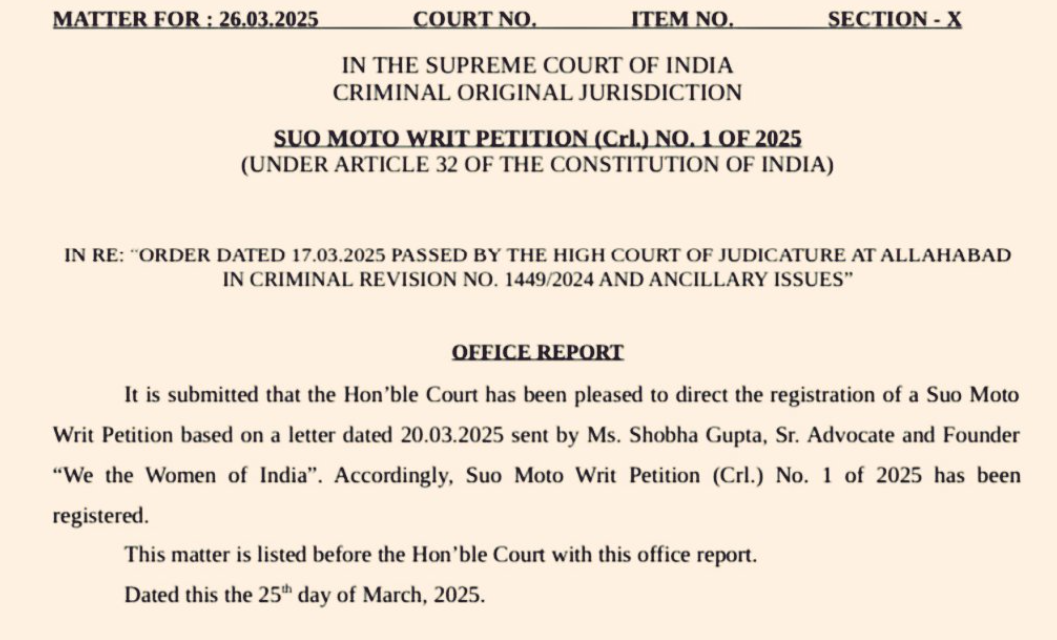
The Supreme Court took suo motu cognizance of the case following a letter from Senior Advocate Shobha Gupta, representing the NGO ‘We the Women of India.’ Solicitor General Tushar Mehta denounced the High Court’s judgment, emphasizing its insensitivity and lack of legal tenability. The apex court has issued notices to the Union of India, the Uttar Pradesh government, and the parties involved, seeking their responses.

This development marks a critical step in addressing the legal and moral implications of the case, with the Supreme Court emphasizing the need for sensitivity and adherence to the tenets of law.