


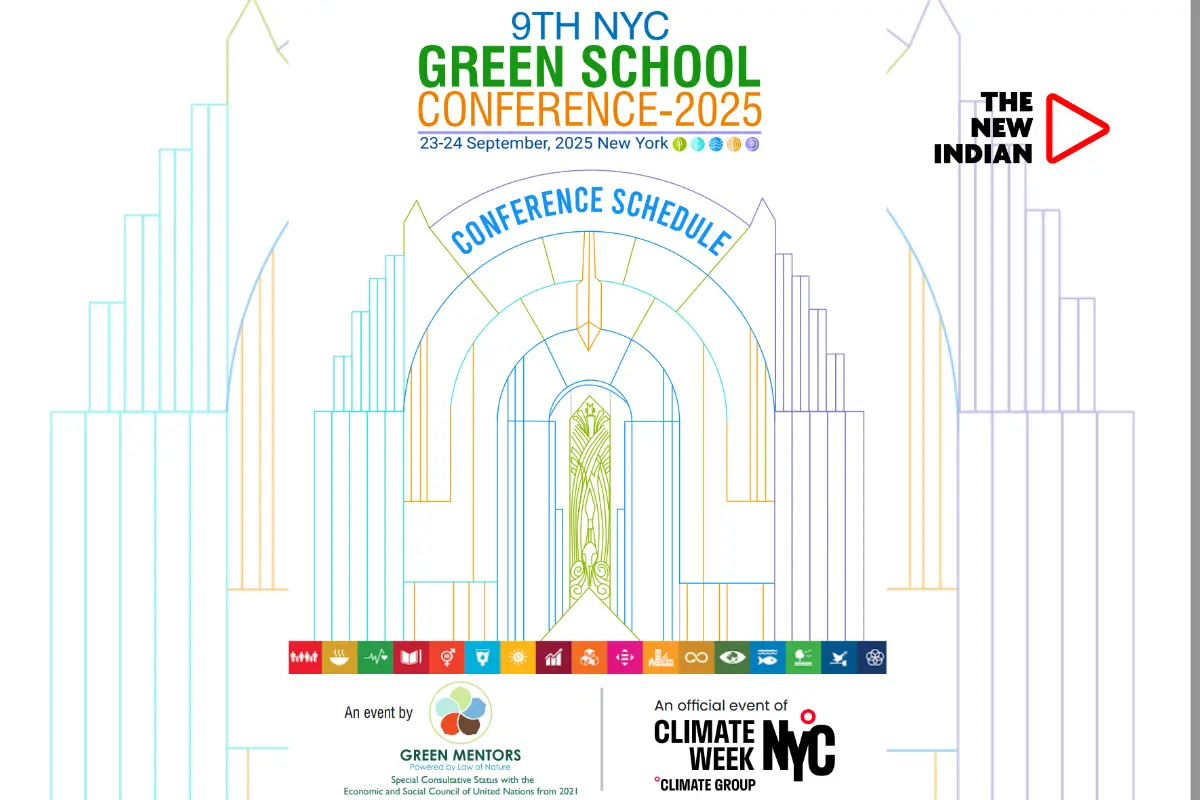






New Delhi: As the world prepares for another defining week of climate diplomacy during the United Nations General Assembly and Climate Week NYC, the 9th NYC Green School Conference 2025 is set to position universities at the heart of climate leadership.

Dear readers & viewers | Personal Win
I at @TheNewIndian_in had set off on a benchmark to report on US Elections 2024 with our guts, determination & sweat 30 days ago. Just like NYT & WaPo came to our country to cook up stories; I came to here US on shoestring budget to do the… pic.twitter.com/KovxTwdhou
— Rohan Dua (@rohanduaT02) November 6, 2024
One of the opening sessions on September 23, “Greening Leadership in Universities – From Campus Commitment to Global Impact,” will showcase how higher education institutions are reimagining their role in building a sustainable future.
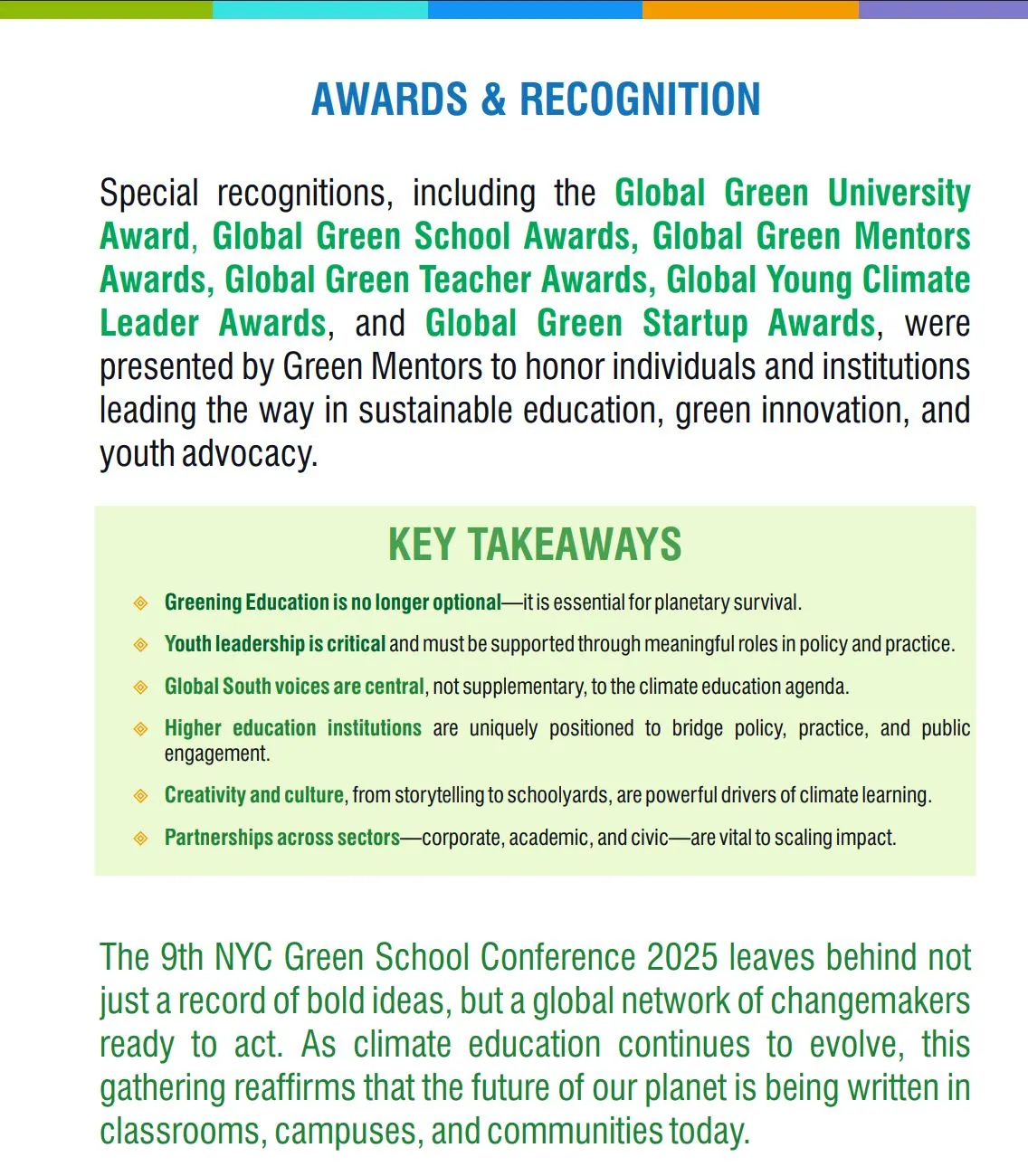
The panel will feature distinguished leaders. The conference is being organized by Green Mentors, led by its Founder Director, Mr. Virendra Rawat, who is also the originator of the Green School and Green University concept. Under his leadership, Green Mentors has become a global platform with UN recognition, dedicated to integrating sustainability into education systems worldwide.
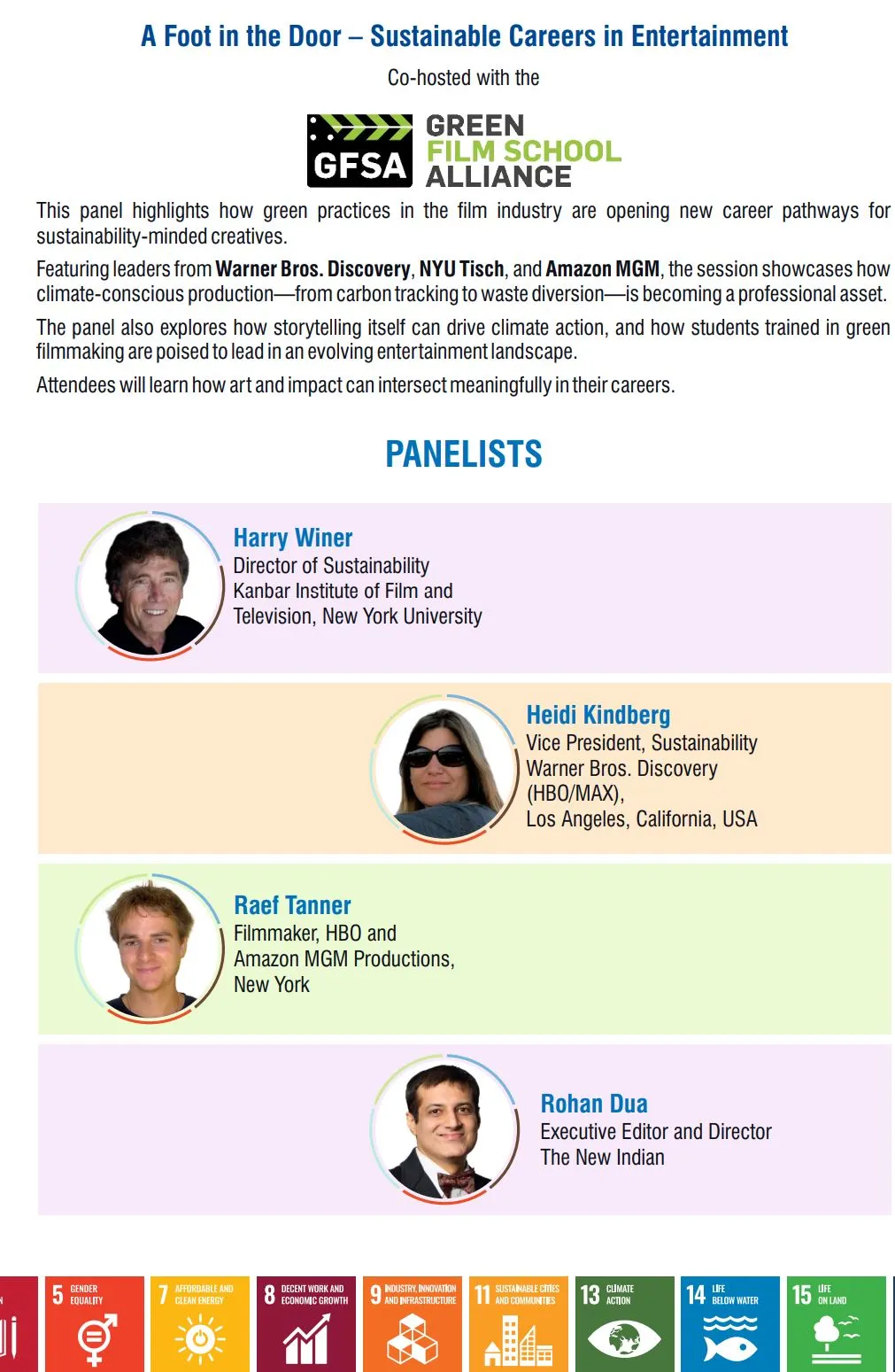
Together, they will explore how universities can move beyond symbolic climate commitments to systemic change—integrating sustainability into governance, curriculum, operations, and student life.
A major focus will be on how universities are decarbonizing their campuses and embedding climate resilience into institutional planning. The speakers are expected to highlight pioneering examples such as net-zero campus transitions, student-led climate policy labs, and innovative sustainability-focused degree programs that link local action to global frameworks like the UN Sustainable Development Goals.
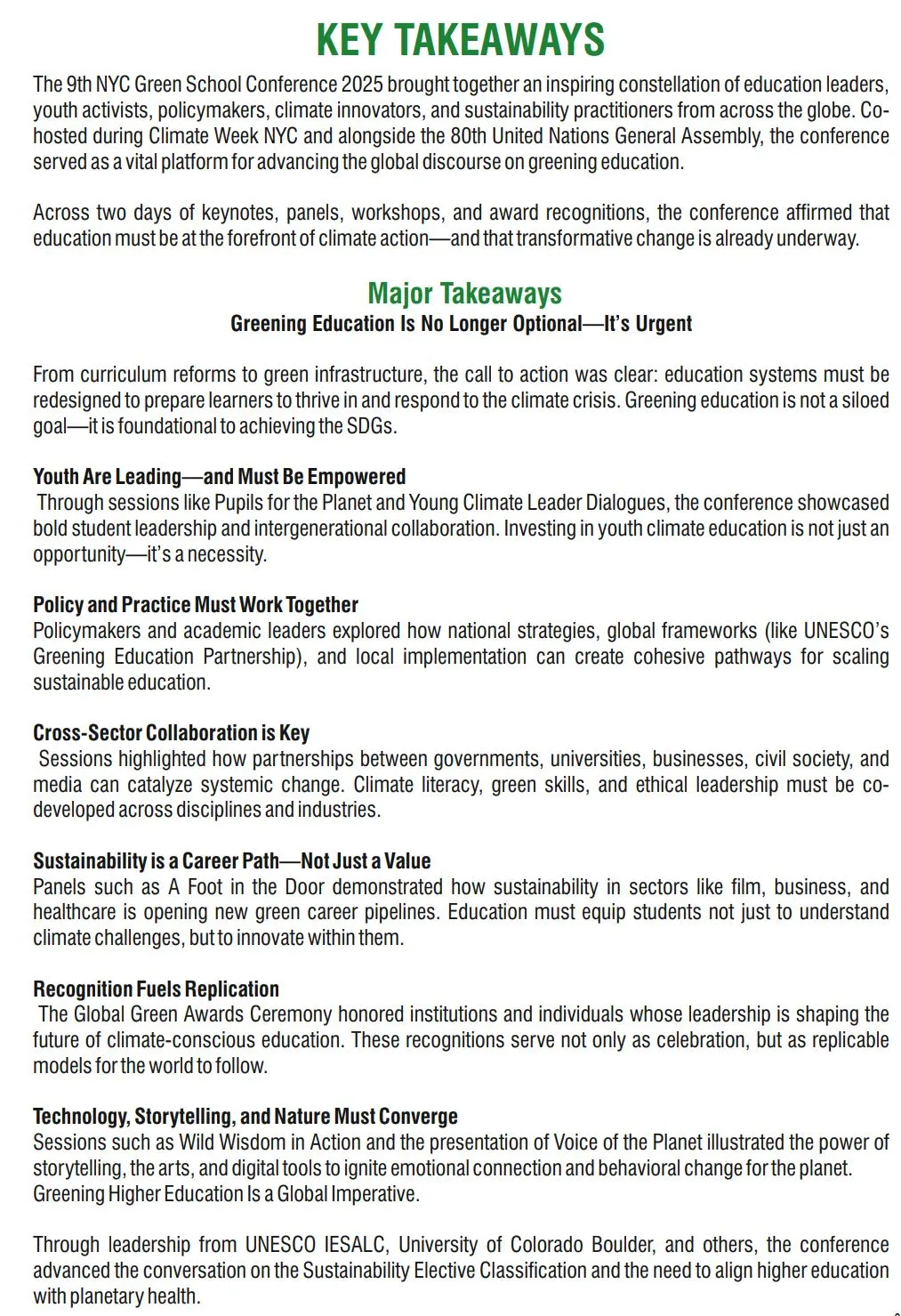
The discussion will also underline the importance of cross-border partnerships, as universities collaborate on research, faculty training, and student exchanges to accelerate global solutions.
Equally central is the role of students, who are emerging not only as beneficiaries of sustainable education but as active co-leaders of change, pushing institutions toward accountability and measurable climate action.
By spotlighting universities as global actors, the session reinforces the idea that higher education is not just about producing graduates but about shaping planetary citizens.
In the words of organizers, the goal is to make sustainability a “defining metric of academic excellence.”

Set against the backdrop of UNGA’s high-level meetings, this discussion promises to underline that the classrooms and campuses of today will be decisive arenas in the battle for a climate-resilient tomorrow.