


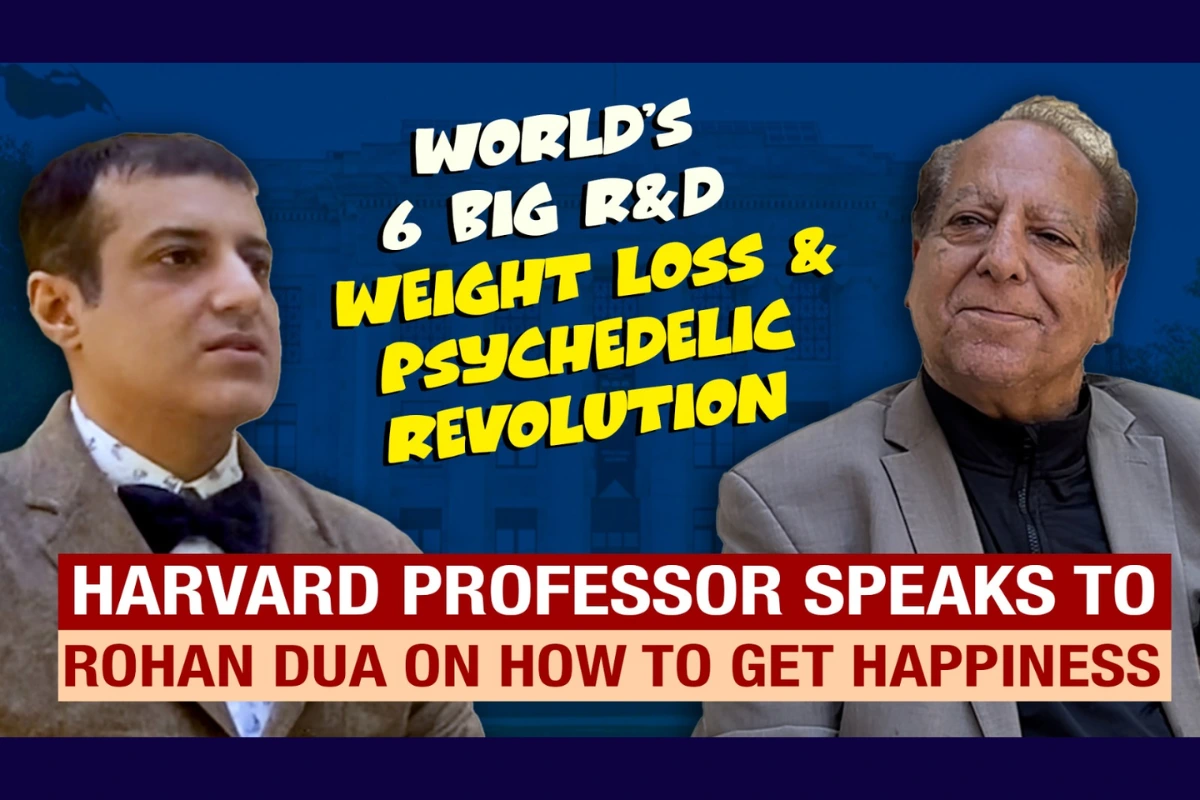






BOSTON (MASSACHUSESTS): While fatty liver disease is commonly associated with heavy drinking, Harvard professor Dr. Sanjep Chopra stresses that a growing number of cases worldwide have nothing to do with alcohol. Instead, lifestyle and dietary factors are driving a silent epidemic of non-alcoholic fatty liver disease (NAFLD).

“People often assume fatty liver means alcohol abuse. That’s not always true,” Dr. Chopra explained in a recent conversation. “There’s a large population developing fatty liver without ever touching a drop of alcohol. The real culprit in many cases is diet — particularly excess sugar, processed foods, and obesity.”
NAFLD occurs when too much fat builds up in liver cells, impairing their function. It is now one of the most common liver disorders globally, with links to diabetes, high cholesterol, and sedentary lifestyles.
Dr. Chopra said this rise in non-alcoholic fatty liver disease is concerning because it often progresses quietly, showing few symptoms until it becomes severe. “It’s a silent condition. People may feel perfectly fine, but meanwhile fat is infiltrating their liver. If unchecked, it can lead to inflammation, scarring, and even cirrhosis,” he warned.
He noted that the condition is increasingly seen even in younger populations, including teenagers. “This is not just a problem of middle-aged adults anymore. With rising obesity rates and poor dietary habits, even children and adolescents are developing fatty liver.”
According to him, prevention lies in awareness and simple lifestyle shifts. “Dietary discipline and regular exercise are powerful medicine. If you cut down on sugary drinks, refined carbohydrates, and processed foods, and instead focus on fresh fruits, vegetables, and lean proteins, you can reverse fatty liver in its early stages,” Dr. Chopra said.
He also pointed to research showing that even modest weight loss — about 7–10 percent of body weight — can significantly reduce liver fat. “The liver is a forgiving organ. If you treat it well, it regenerates. But if you ignore it, the consequences can be very serious,” he emphasized.
The Harvard professor also highlighted the role of physicians in debunking myths around the disease. “We have to educate people that alcohol is not the only enemy of the liver. Lifestyle diseases are equally damaging. By spreading awareness, we can prevent a lot of suffering.”
Dr. Chopra framed the issue within his larger philosophy of resilience and gratitude. “When patients take control of their lifestyle and reverse fatty liver, they feel empowered. That gratitude for a second chance at health often becomes a turning point in their lives,” he noted.

As the global health community grapples with rising lifestyle diseases, Dr. Chopra’s message is simple: “Don’t wait for symptoms. Protect your liver now. Eat smart, move more, and be grateful for the body you’ve been given.”