


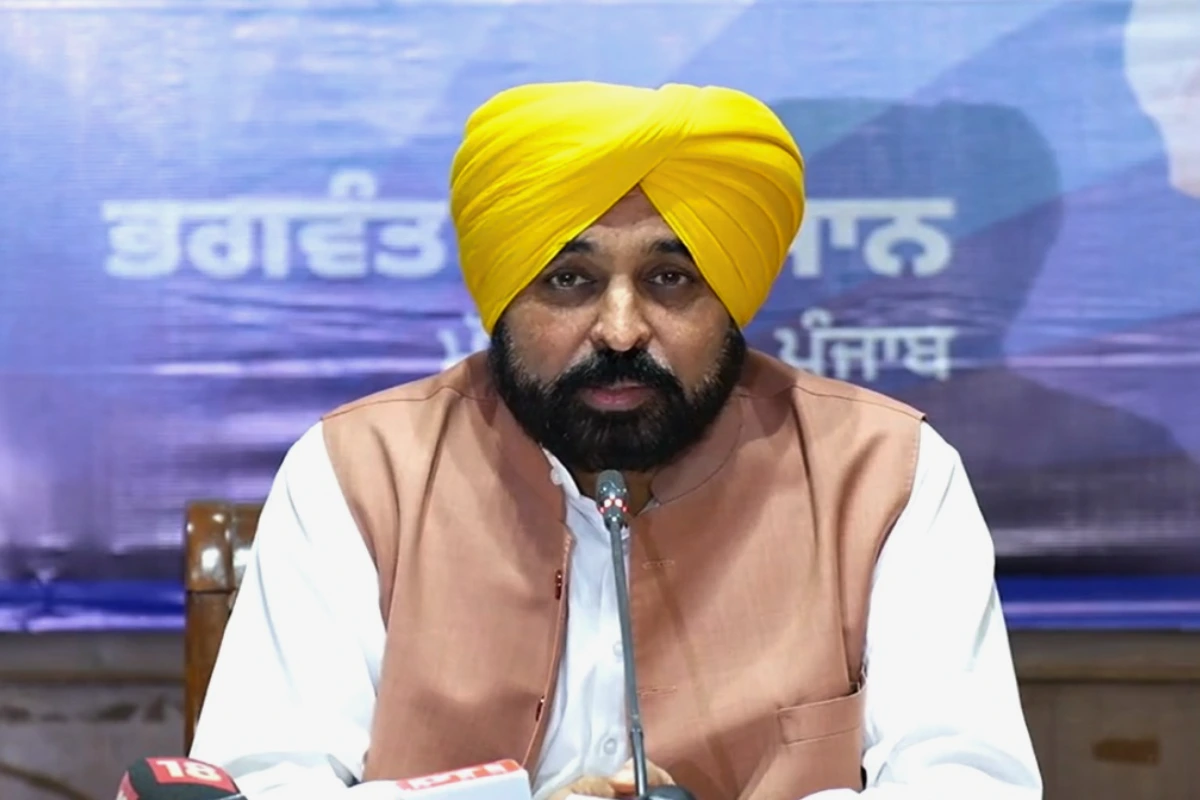






NEW DELHI: In a major step to curb stubble burning and promote sustainable agriculture, the Punjab Government, led by Chief Minister Bhagwant Singh Mann has rolled out the amended Crop Residue Management (CRM) Loan Scheme through cooperative banks across the state.

The scheme aims to help farmers and cooperative societies purchase crop residue management machinery, thereby reducing seasonal air pollution and creating fresh opportunities for rural communities. It has been launched under the supervision of Financial Commissioner Cooperation Sumer Singh Gurjar and Registrar of Cooperative Societies Girish Dayalan, ensuring wide participation across Punjab’s agricultural sector.
Key Features of the CRM Loan Scheme:
-
For Cooperative Societies: Primary Agricultural Cooperative Societies (PACS) and Multi-Purpose Cooperative Societies (MPCS) will receive an 80% subsidy on machinery, up to a maximum of ₹24 lakh. The margin money requirement is fixed at 10% of the loan amount.
-
For Individual Farmers: Farmers will be eligible for a 50% subsidy on machinery, with a margin money requirement of 25% of the loan amount.
Officials said the scheme will provide easy access to modern machinery, improve crop residue management, and directly tackle one of the primary contributors to air pollution in North India. The government is also promoting the use of crop residue in bio-energy plants, which will support renewable energy generation and boost Punjab’s green economy.
Chief Minister Bhagwant Singh Mann reaffirmed his government’s commitment to environmental sustainability, farmer welfare, and strengthening the cooperative movement. He stressed that the scheme will empower farmers and address the environmental challenges posed by stubble burning.

“This decision is both a pro-farmer and pro-environment step, ensuring Punjab leads the way in sustainable agriculture,” Mann said.