


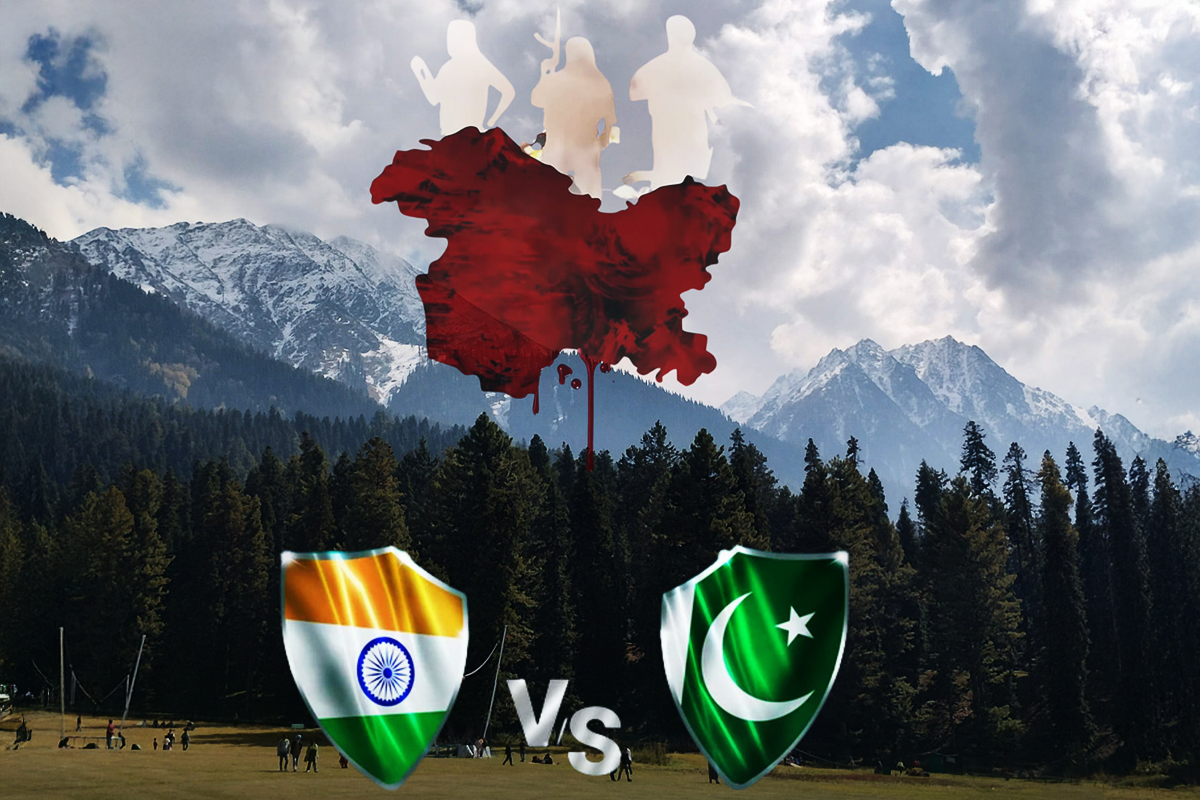






NEW DELHI: The stage is set for the Asia Cup 2025 clash between arch-rivals India and Pakistan on September 14 in the United Arab Emirates (UAE). But far from being a celebration of cricketing excellence, this high-voltage encounter is igniting a moral and political storm — one that questions the very soul of Indian sport.

In the aftermath of the Pahalgam terror attack in April 2025, where 26 civilians were killed by Pakistan-backed terrorists, large sections of Indian society — from political leaders to former cricketers — are demanding accountability, not runs. Calls for boycott are deafening. And while cricket’s governing body sticks to its schedule, the nation is asking one simple question:
If legends of the sport can boycott Pakistan, why can’t the BCCI?
The BCCI’s Stand: “It’s Too Late to Back Out”
The Board of Control for Cricket in India (BCCI) has confirmed that India will not withdraw from the match. Citing prior commitments with the Asian Cricket Council (ACC), a senior BCCI official stated:
“The BCCI cannot withdraw from the tournament or the match now. The decision was agreed upon after the ACC meeting. Since India is the host nation, nothing can be changed at this stage.”
Another source added:
“If India doesn’t play and forfeits, it will give Pakistan a huge advantage. This is not a bilateral contest but a match in a multi-nation tournament.”
But the bureaucratic tone of these responses has only deepened public anger, which sees this as a weak-kneed surrender of national dignity in exchange for tournament protocol and broadcasting revenues.
Ganguly’s Remark: “Sport Must Go On”
Adding fuel to the fire was former BCCI President Sourav Ganguly, who said:
“While condemning terrorism, sport should go on.”
The quote — intended to strike a balance between patriotism and pragmatism — has sharply divided the cricket community and the public at large. For many, Ganguly’s words were insensitive at a time when national grief is raw. For others, it symbolized institutional detachment from ground realities.
When Cricketers Became Patriots: WCL 2025 Boycott
If the BCCI’s stand feels disconnected, the actions of five Indian cricket legends speak volumes. During the World Championship of Legends (WCL) 2025, former stars Shikhar Dhawan, Suresh Raina, Harbhajan Singh, Irfan Pathan, and Yusuf Pathan took a bold and united stand, boycotting the match against Pakistan out of respect for the country’s emotional state and in condemnation of Pakistan’s continued use of terror as policy.
Shikhar Dhawan led the call with his now-iconic words:
“Jo kadam 11 May ko liya, uspe aaj bhi waise hi khada hoon. Mera desh mere liye sab kuch hai, aur desh se badhkar kuch nahi hota.”
(“The decision I took on May 11, I stand by it even today. My country means everything to me, and nothing is above the nation.”)
#FLASH: Patriotism Over Play @SDhawan25 , @ImRaina, @harbhajan_singh, @IrfanPathan & @iamyusufpathan have boycotted the WCL match vs Pakistan, citing national sentiment.
“Desh se badhkar kuch nahi.” 🙏
Reports @Kalagraphe88134#WCL #BoycottPakistan #JaiHind #ShikharDhawan pic.twitter.com/jB3PsEVVid
— The New Indian (@TheNewIndian_in) July 20, 2025
Others followed:
- Harbhajan Singh and Yusuf Pathan cited “ongoing India-Pakistan geopolitical tensions.”
- Suresh Raina announced via social media he would not play the first match against Pakistan, referencing the Pahalgam killings.
- Irfan Pathan withdrew without much public comment, allowing his silence to carry the weight of national duty.
Amid massive backlash over Shahid Afridi’s presence and his past anti-India rhetoric, the WCL match was ultimately cancelled. Organisers issued a formal apology to Indian players, admitting the decision to schedule a Pakistan fixture had “caused discomfort.”
“Money Over Patriotism”: Viral Anger Erupts
The nation’s fury took on a sharper edge when a fake quote attributed to Ravichandran Ashwin went viral, suggesting Indian players were prioritizing money over country. Though Ashwin denied the statement, the phrase – “money over patriotism” – stuck.
The outrage ballooned across platforms. Hashtags such as:
- #BoycottIndVsPak
- #DeshSeBadhkarKuchNahi
- #MoneyOverNation
- #ShameOnBCCIhave dominated X (formerly Twitter), with many pledging to boycott viewership as a symbolic protest.
Political Reactions: From Parliament to the Streets
The decision to go ahead with the match has drawn criticism from across the political spectrum:
- Shiv Sena (UBT) MP Arvind Sawant called India’s participation “inappropriate” in light of civilian casualties in Kashmir.
- Lt Gen (Retd) KJS Dhillon, former Defence Intelligence Chief, called for a complete boycott of all sporting ties with Pakistan.
- A senior Sports Ministry official admitted the ministry had no legal authority over BCCI since the National Sports Governance Bill is still pending:
“We will wait and see how the BCCI responds to public sentiment.”
Venue Shift: From India to UAE Amid Security Concerns
Originally slated to be hosted in India, the tournament was moved to the UAE citing security and diplomatic issues. Ironically, even in a neutral venue, the wounds of conflict refuse to stay buried.
This may not be the last showdown. If both teams advance, India and Pakistan could meet again in the Super Four stage, and possibly in the final – triggering the same debate all over again, each time with louder outrage.
Cricket May Go On, But So Will the Questions
The BCCI may argue protocol. Broadcasters may chase ratings. But the core of this debate is not commercial – it’s constitutional, emotional, and ethical.
When cricketing legends take a principled stand and refuse to play Pakistan to honour national grief, the BCCI’s silence feels louder than any stadium cheer.
If India’s sons in blue can walk away for the nation, why can’t the Board do the same?
The match on September 14 may yet draw millions of eyeballs. But when India’s moral scoreboard is tallied, this won’t be remembered as a cricket match – but as a national test.