


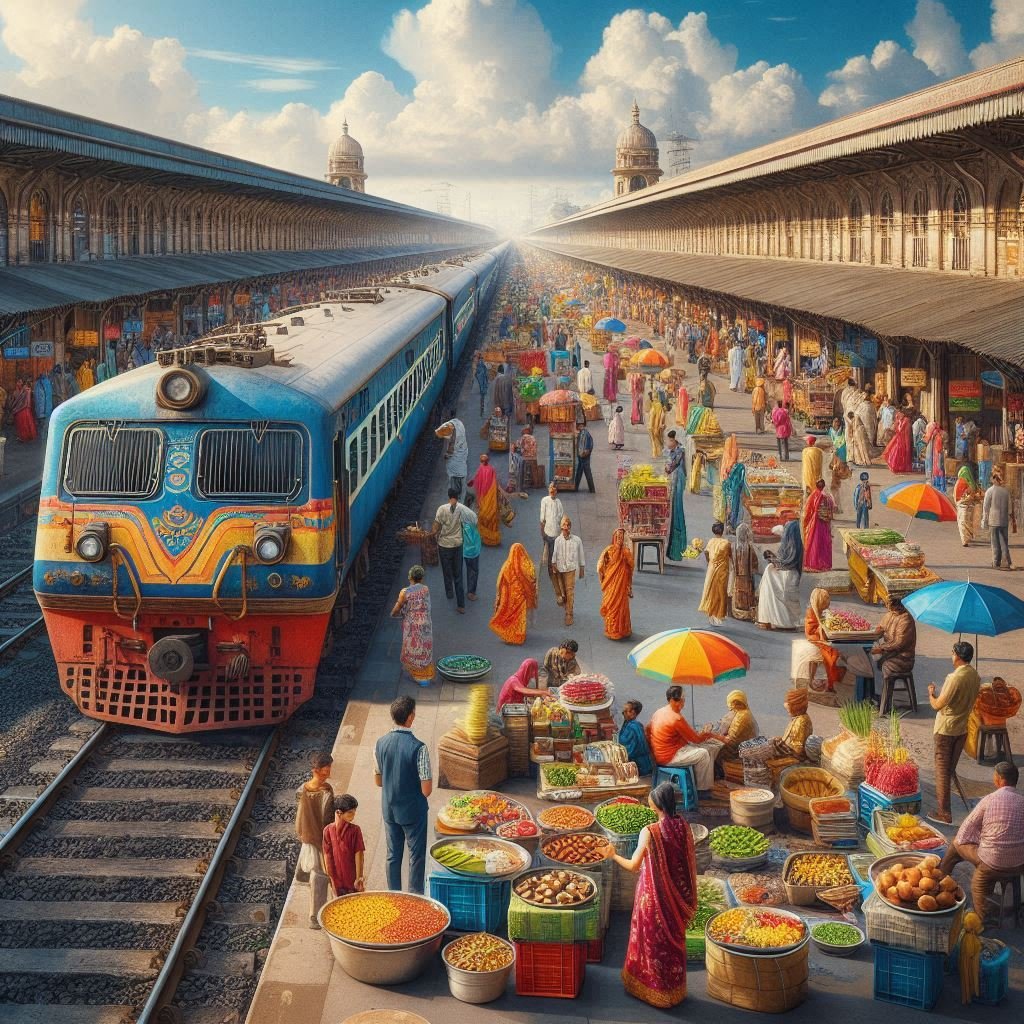






The Indian Railways are a testament to India’s engineering prowess and cultural heritage. They are often referred to as the nation’s lifeline. With a network spanning over 67,000 kilometres, they connect the country’s length and breadth. The Indian Railways are not just a mode of transportation but a symbol of unity and progress. Recently, the New Delhi Railway Station was recognised as a Guinness World Record holder, further underscoring the significance of this monumental institution.

The Indian Railways has a rich history that dates back to the mid-19th century. The first passenger train journey in India took place on April 16, 1853, between Mumbai and Thane. This marked the beginning of a new era in transportation. Since then, the railways have played a crucial role in shaping the socio-economic landscape of the country. The Indian Railways has been an integral part of India’s growth story. It has facilitated trade and commerce by providing affordable travel options for millions of people.
One of the most remarkable aspects of the Indian Railways is its ability to connect diverse regions and cultures. The vast network of trains traverses picturesque landscapes, covering bustling cities and remote villages. It offers passengers a unique glimpse into the heart of India. Iconic trains like the Palace on Wheels and the Darjeeling Himalayan Railway denote luxury and heritage, attracting tourists from around the world.
The Indian Railways is also a marvel of engineering. The construction of the Konkan Railway, which runs along the western coast of India, is a testament to the ingenuity of Indian engineers. The project involved the construction of many tunnels and bridges. This was done by overcoming challenging terrain and adverse weather conditions. Similarly, the Chenab Bridge in Jammu and Kashmir showcases India’s engineering excellence. It is set to be the world’s highest railway bridge.
Moreover, the Indian Railways has made significant strides in modernization and innovation. The introduction of high-speed trains, such as the Vande Bharat Express, has enhanced the travel experience. The implementation of digital ticketing systems has also added to the benefits. The railways have also embraced sustainable practices to promote the use of renewable energy. Initiatives to reduce carbon emissions are an example.
However, the journey of the Indian Railways has not been without challenges. The vast network requires constant maintenance and upgrades to ensure safety and efficiency. The railways also face the daunting task of catering to the needs of a growing population. It also has to maintain affordability. Despite these challenges, the Indian Railways continues to be a symbol of resilience and progress.

A railway station in India was recently recognised as a Guinness World Record holder. It is a testament to the enduring legacy of the Indian Railways. This achievement highlights the dedication and hard work of countless individuals. They have contributed to the growth and success of this institution. It also serves as a reminder of the importance of preserving and celebrating our cultural heritage.